
Trends for Interior Design: Why Homes Feel Different From 10 Years Ago
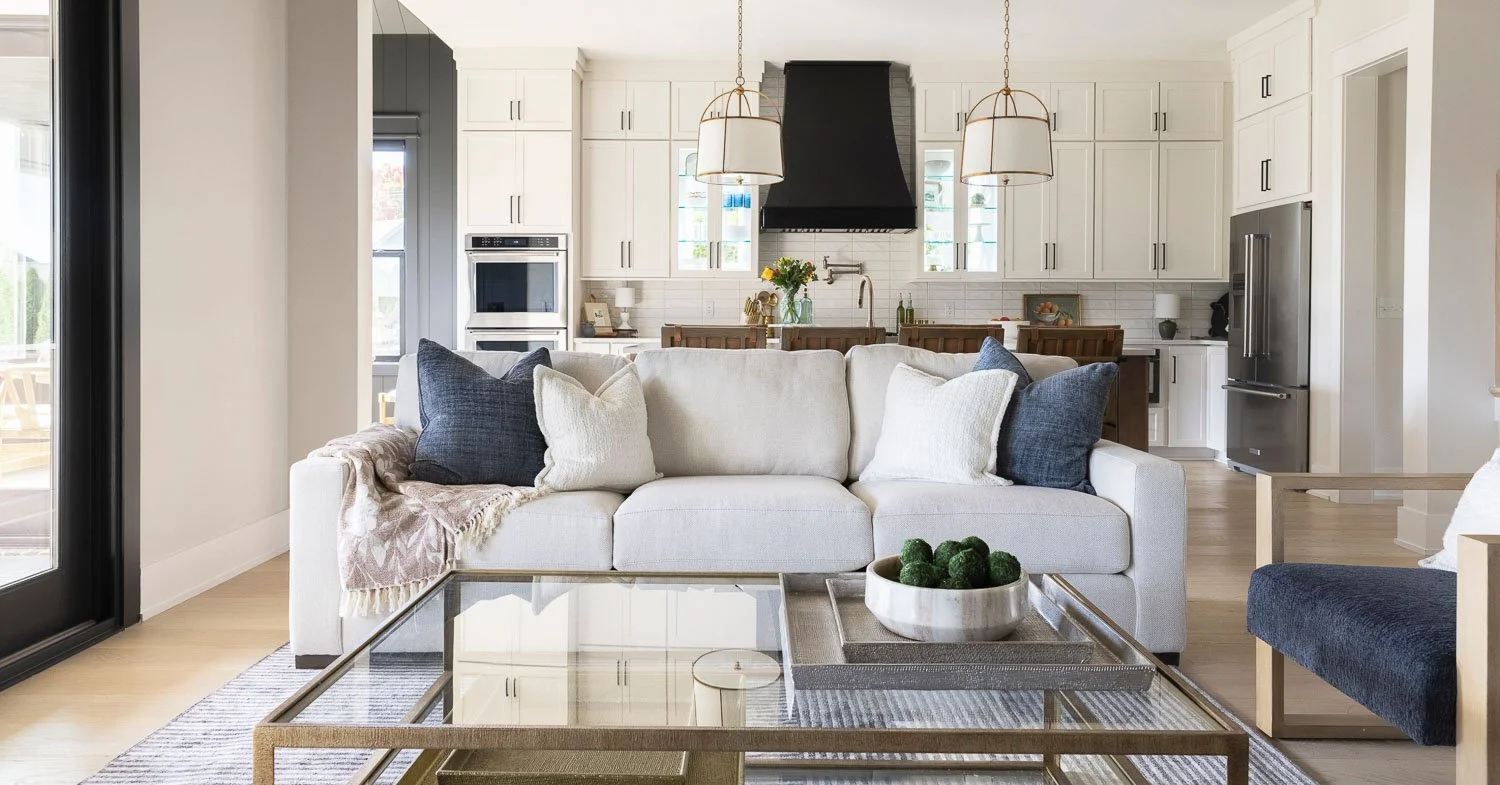
If you’ve looked around lately and thought homes just don’t feel the same anymore, you’d be right! Trends for interior design have changed dramatically over the past decade, and today’s homes reflect a very different mindset than they did 10 years ago. And the shift has been significant. While once the goal was often to create a space that looked polished, trendy, and resale-ready, the current trends for interior design are centered around warmth, individuality, comfort, and long-term livability.
At Spaces in Bloom Designs, we’ve seen firsthand how homeowners are moving away from copy-and-paste design and leaning into homes that feel more personal and intentional. The result is a shift toward spaces that are not only beautiful, but also functional and deeply reflective of the people who live in them.
Looking Back: What Defined Interior Design 10 Years Ago?
A lot of design choices from 10 years ago were driven by what was popular online, what felt fresh at the time, and what people thought would appeal to everyone. That era (from roughly 2014 to 2020) gave us some memorable looks, but it also created a lot of homes that felt more trend-focused than truly personal.
The Farmhouse Era
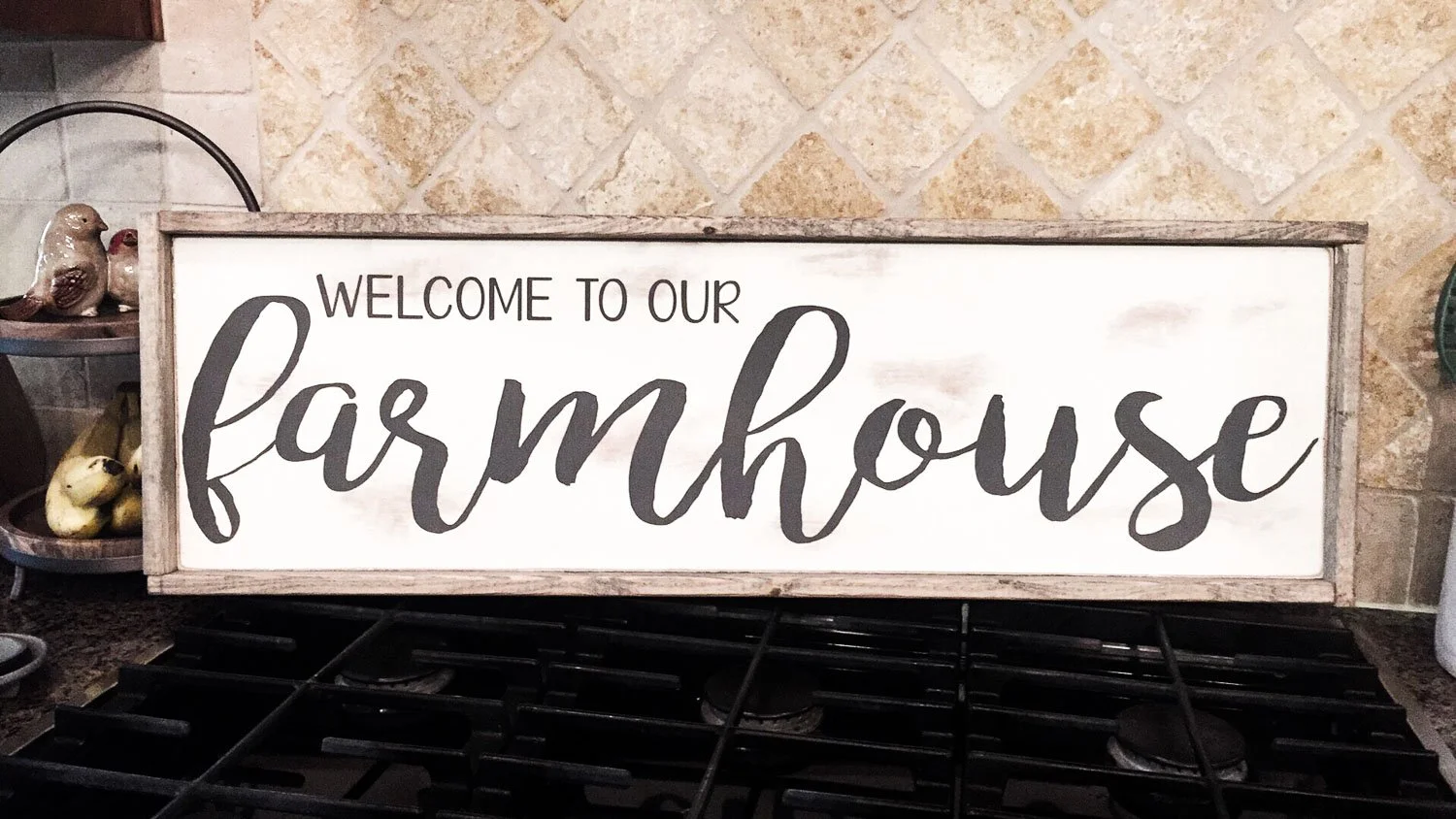
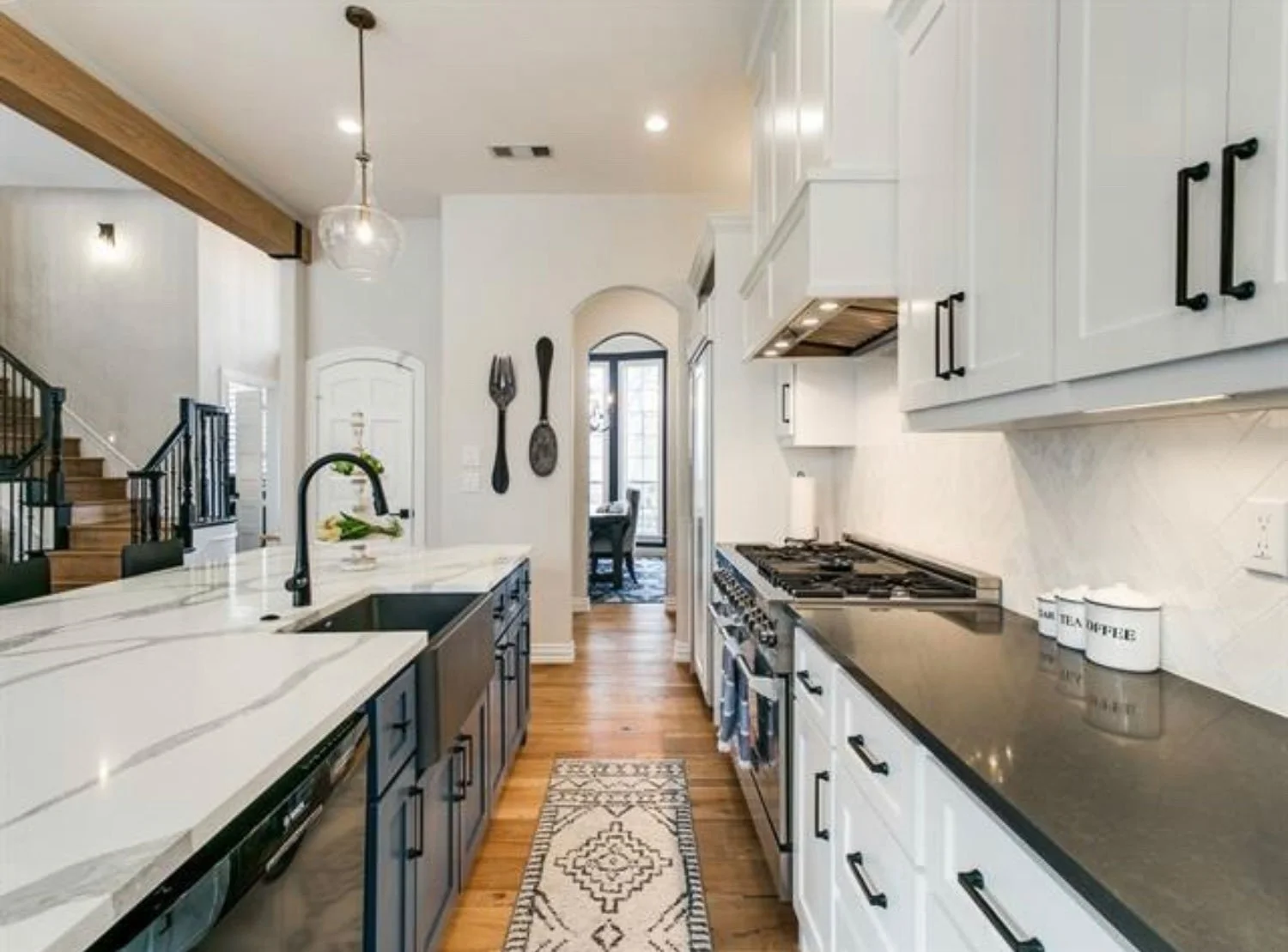
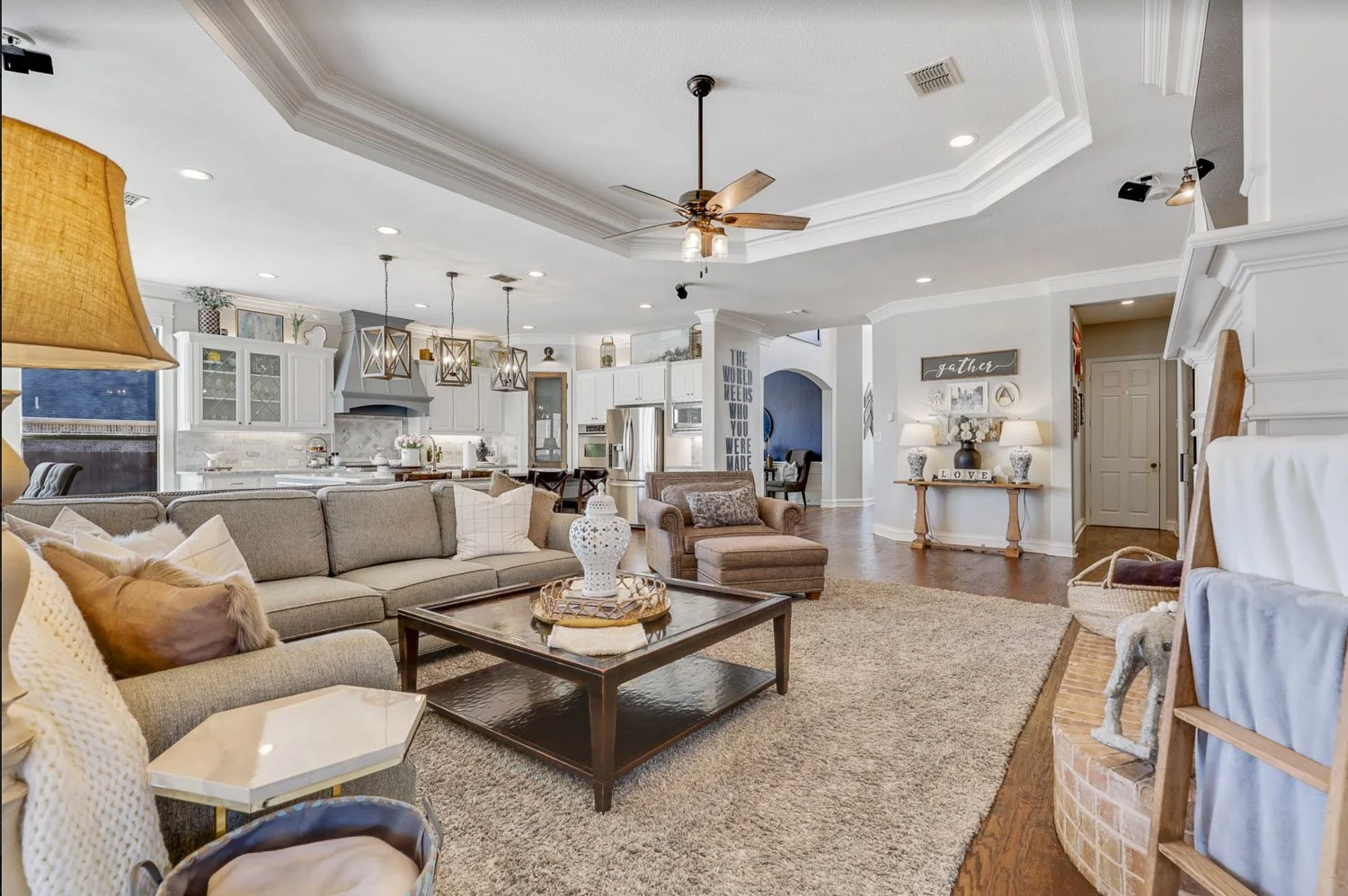
There is no denying the impact of farmhouse interior design. For a while, it was everywhere! Shiplap, barn doors, rustic wood finishes, black hardware, and vintage-inspired accents completely took over. It felt cozy and approachable, and for many people, it was an easy way to make a home feel updated.
The problem wasn’t that farmhouse interior design was bad. It was that it became so widespread that many homes started to look almost identical. Instead of reflecting the people who lived there, they often reflected whatever was trending at the moment.
The Gray Takeover
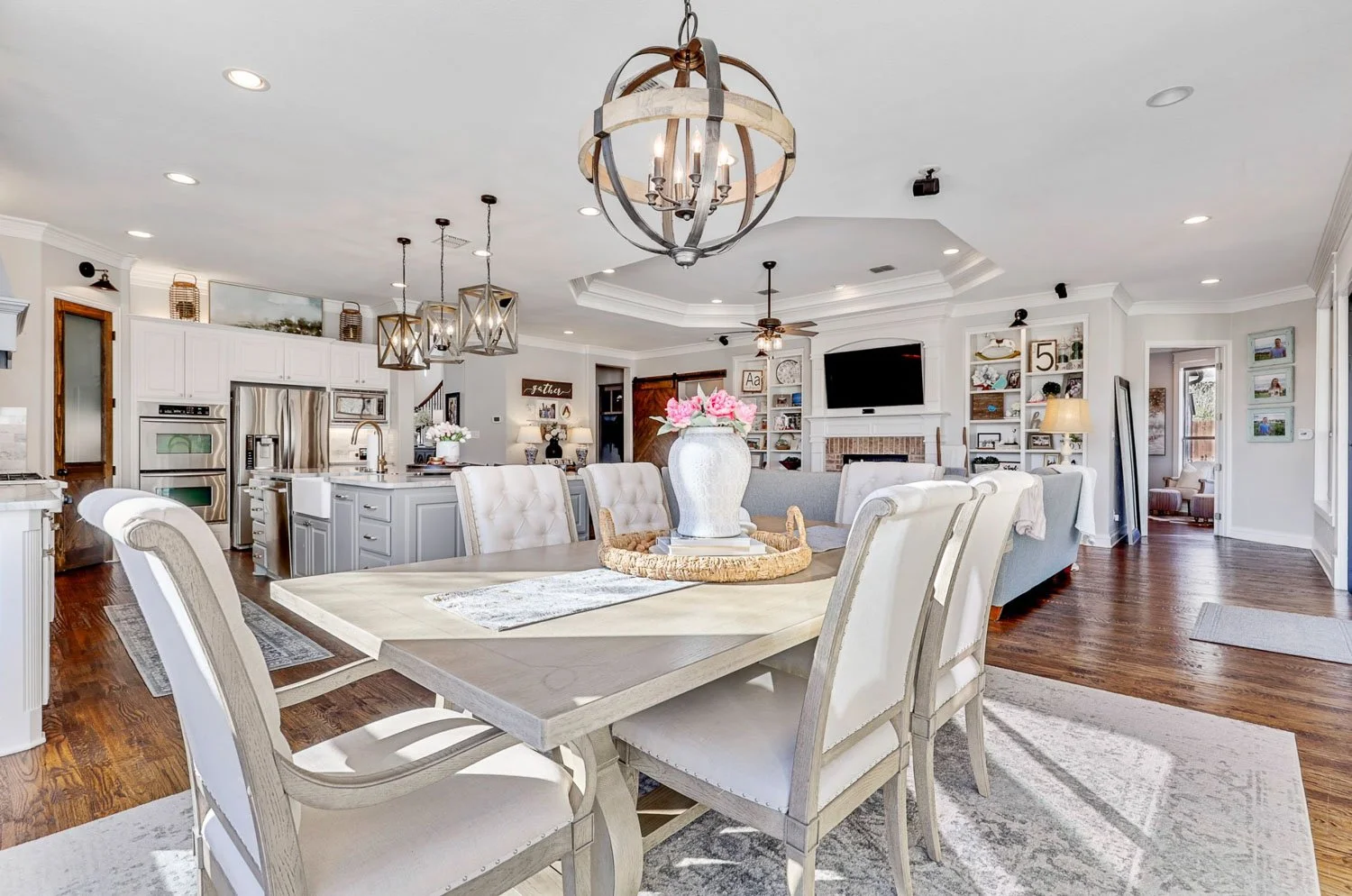
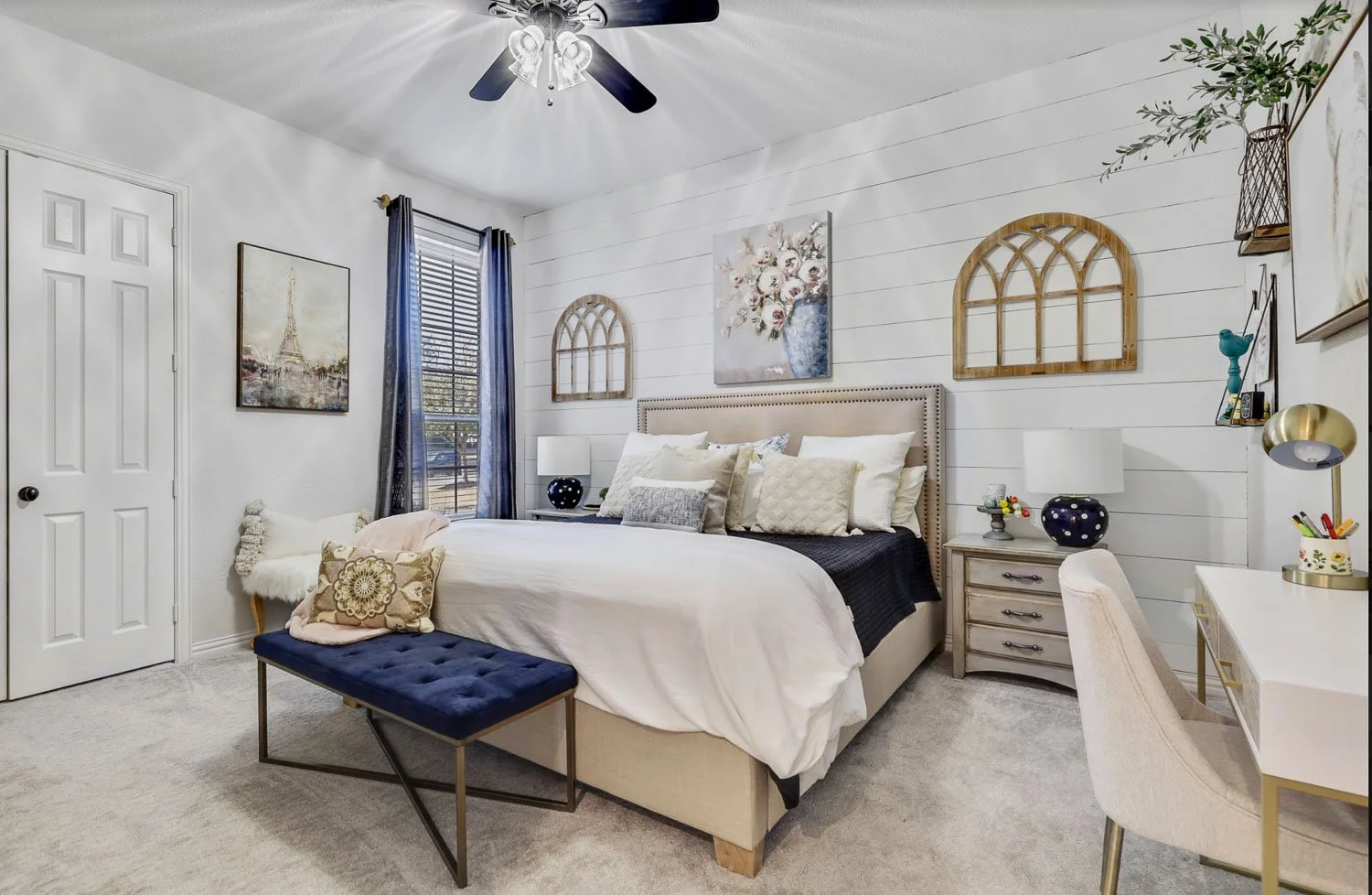
Another major hallmark of the last decade was the rise of gray interior paint. Cool gray walls, gray floors, gray tile, gray cabinets. Gray was considered safe, modern, and versatile, so it became the go-to choice for just about everything!
But over time, many of those spaces started to feel a little cold or one-note. Gray worked for a while, but it often left homes feeling less inviting than people expected. Today, many homeowners are looking for ways to soften those spaces and bring back a sense of warmth.
Open Concept Everything
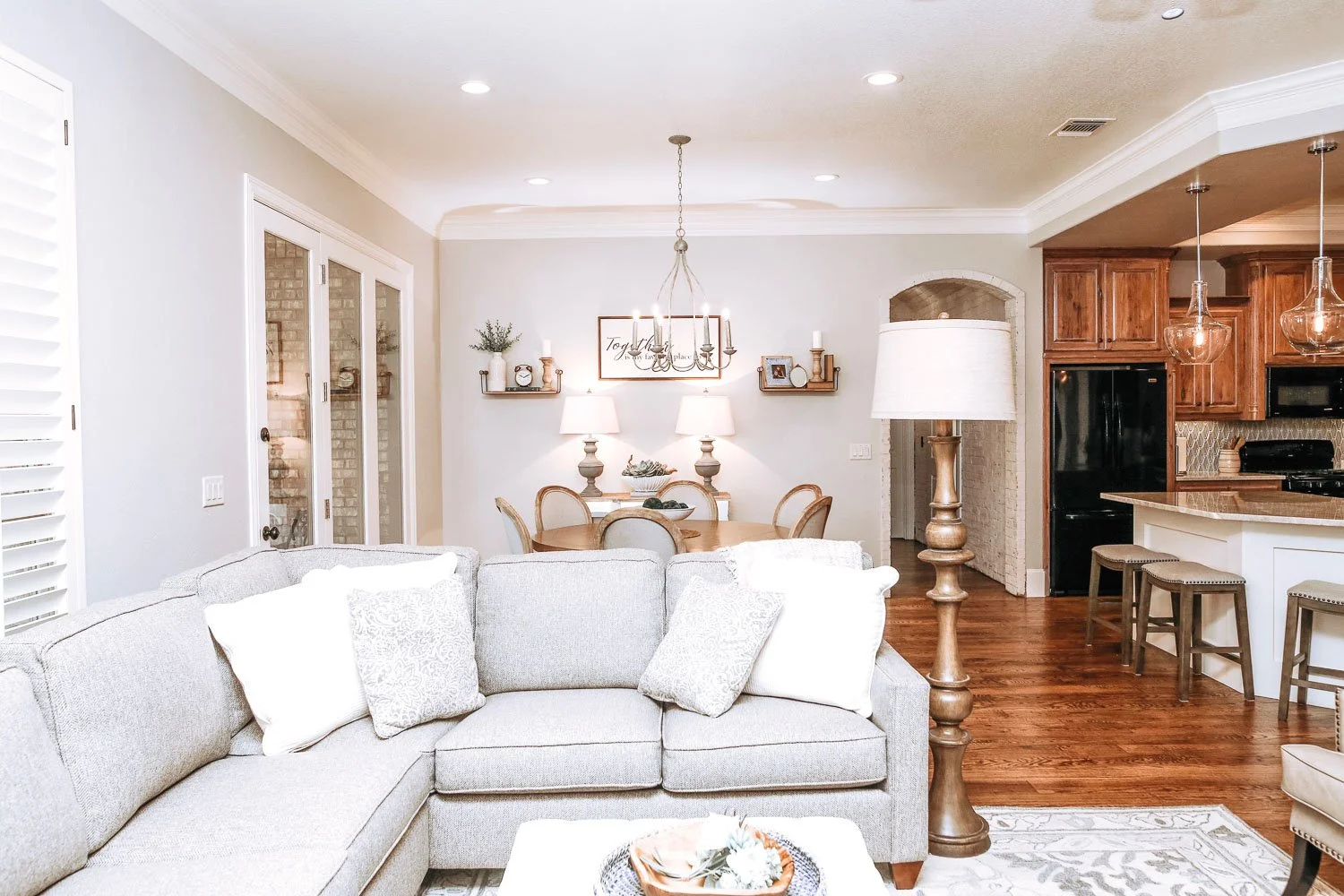
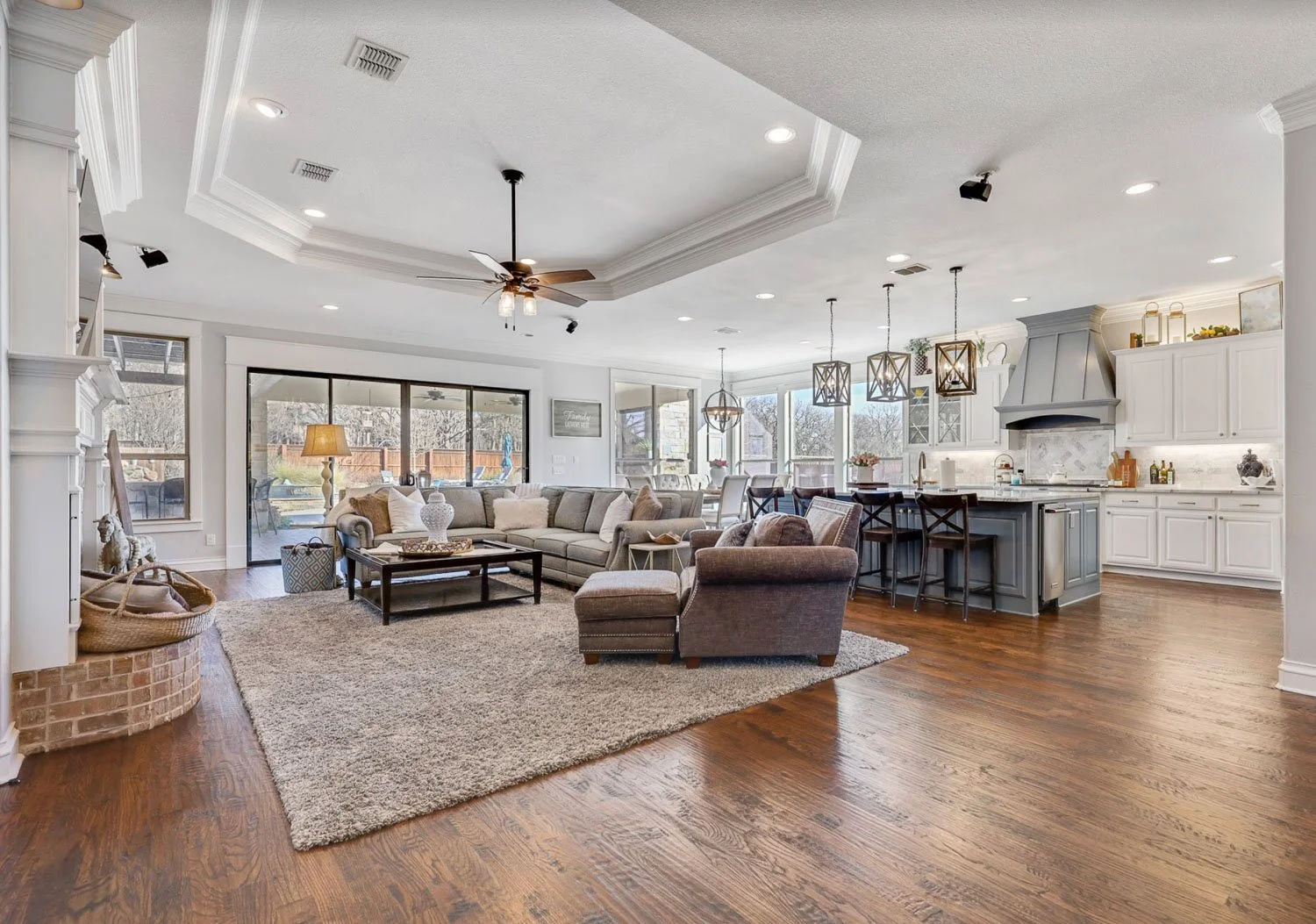
At the same time, open concept floor plans became the dream. Walls came down. Rooms blended together. The kitchen, living room, and dining area all became one large, flowing continuous space. While this approach brought people together and made homes feel larger, it also removed some of the intimacy and function that defined spaces can offer.
There are still benefits to open concept floor plans, especially for gathering and entertaining, but people have also realized that totally open spaces aren’t always ideal for the way we actually live. Noise travels. Visual clutter builds up faster. And sometimes you really do want a room to feel like its own space.
Social Media and Fast Trends
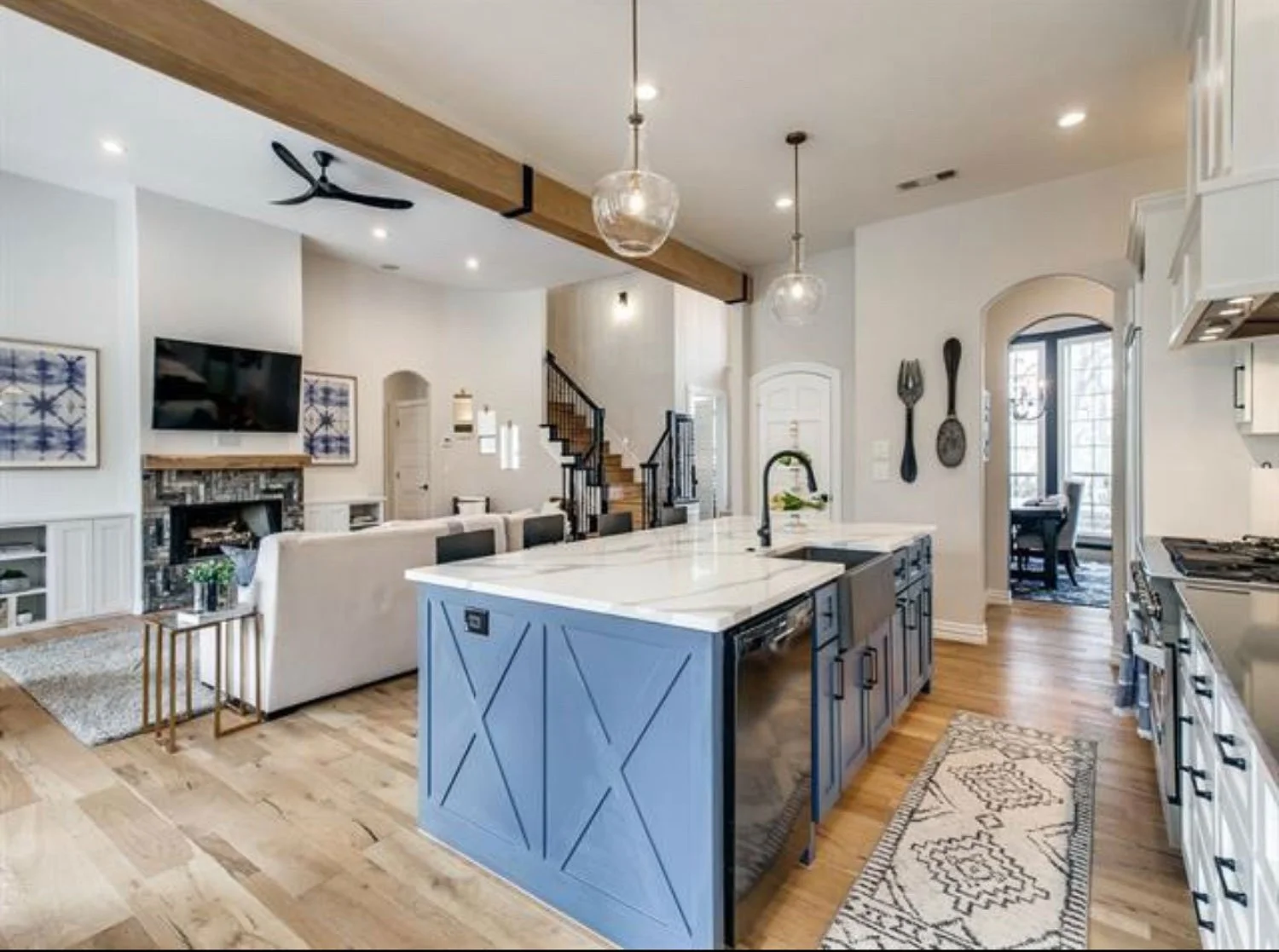
Pinterest and Instagram completely changed how people approached home design. Suddenly, inspiration was everywhere, which was exciting, but it also meant trends spread faster than ever. Homes were often designed to look beautiful in a photo instead of feeling good in real life.
That created a lot of rooms that looked polished but didn’t necessarily feel meaningful. The focus was often on recreating a look instead of building a home around real routines, real needs, and real personality.
What We’re Seeing Now
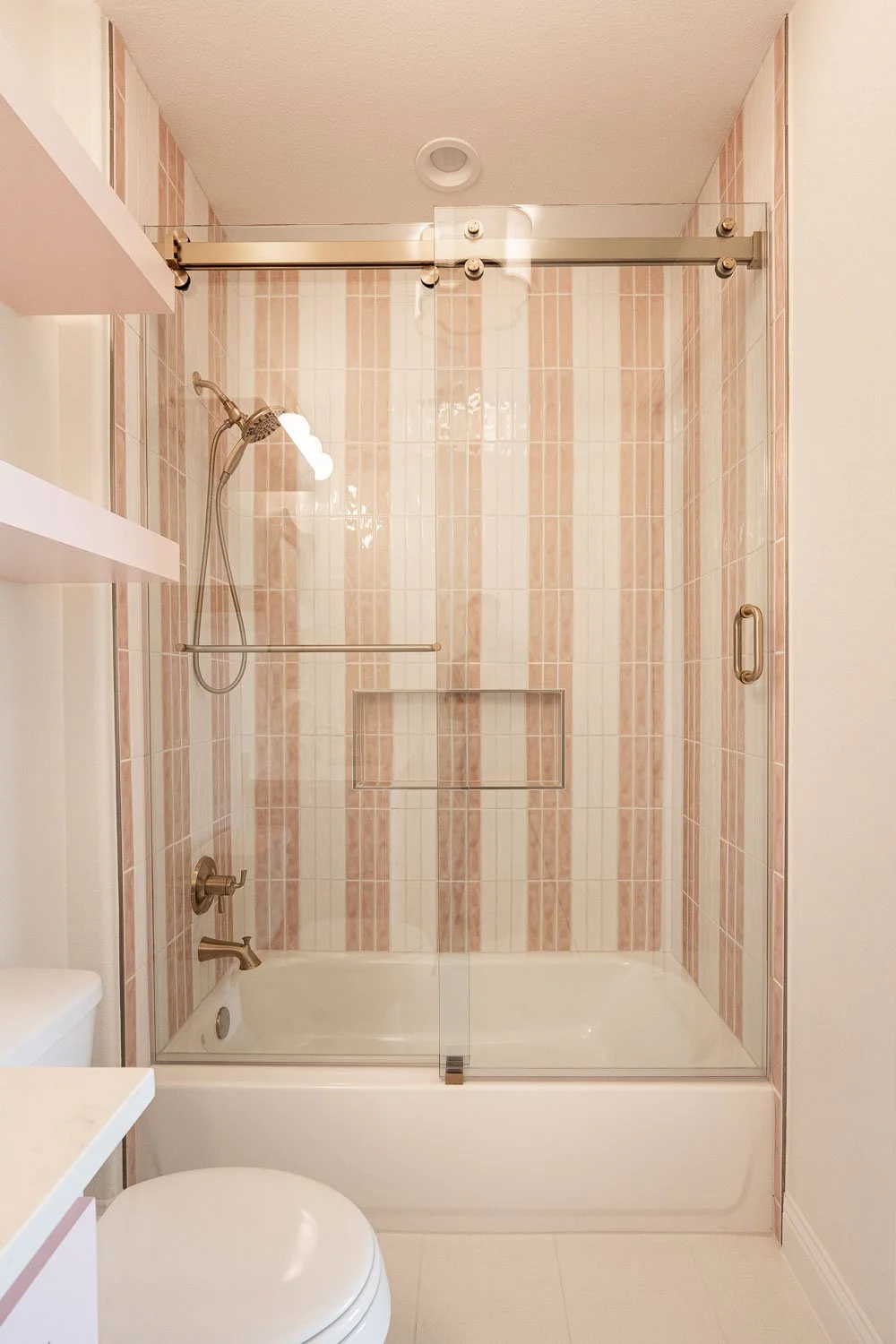
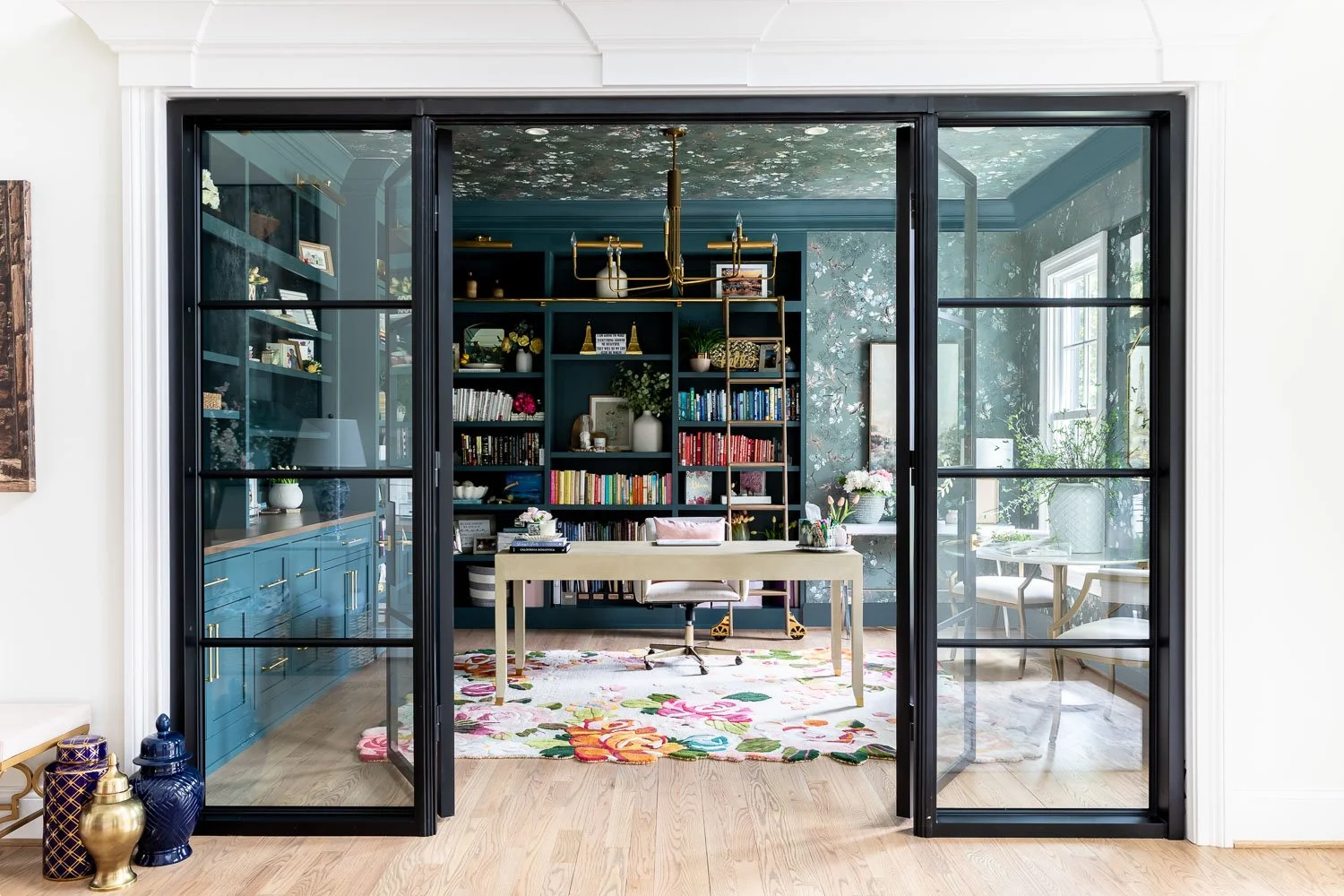
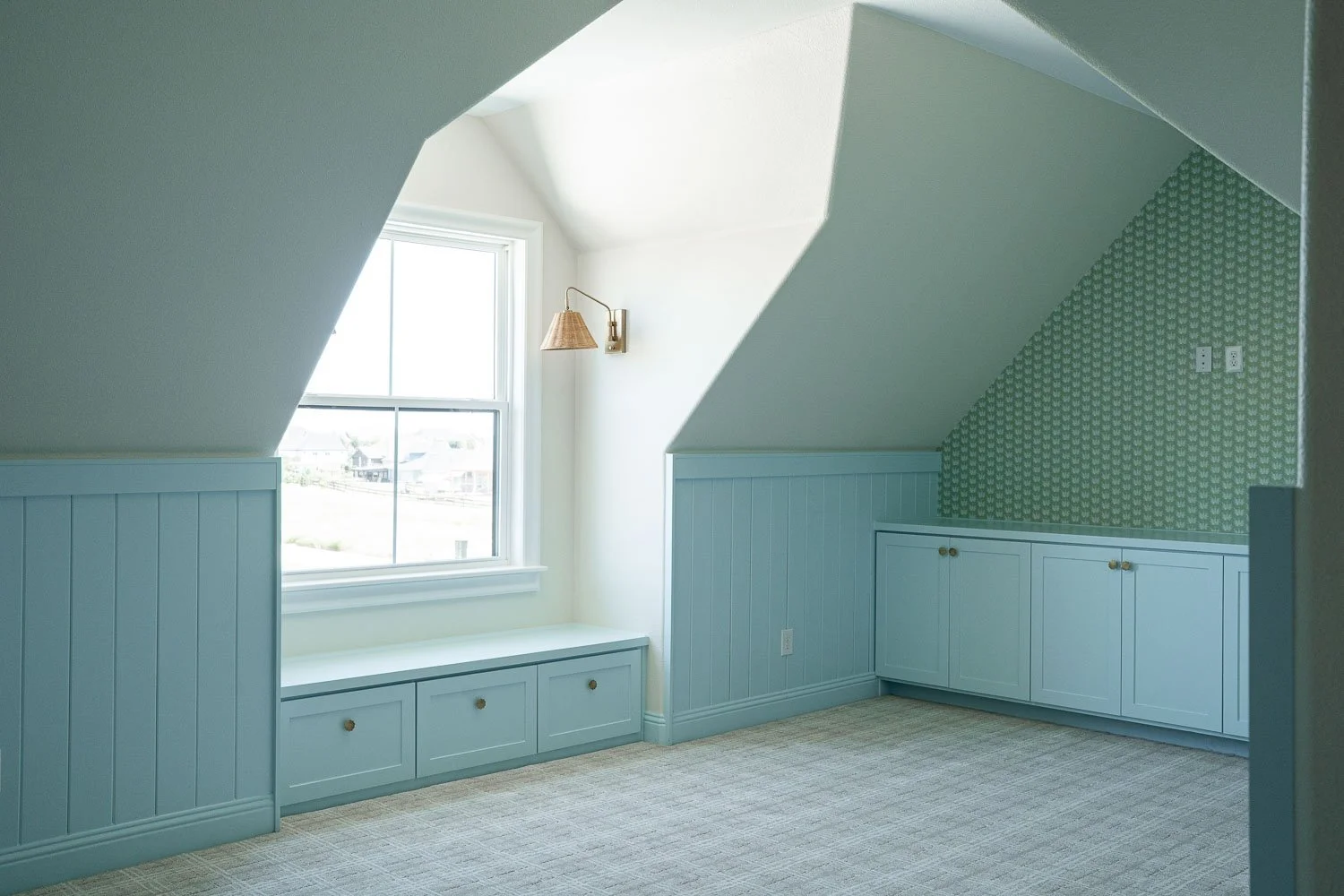
The biggest shift we’re seeing now is that people are asking different questions. Instead of asking, “What’s trending?” they’re asking, “How do I want this space to feel?”
That one change has influenced so much of what we’re seeing in homes today! There’s a move away from homes that feel overly styled, toward spaces that feel layered, lived-in, and meaningful. Design is becoming more emotional, more tailored, and more connected to everyday life.
The Biggest Trends for Interior Design Right Now
Warmth is back
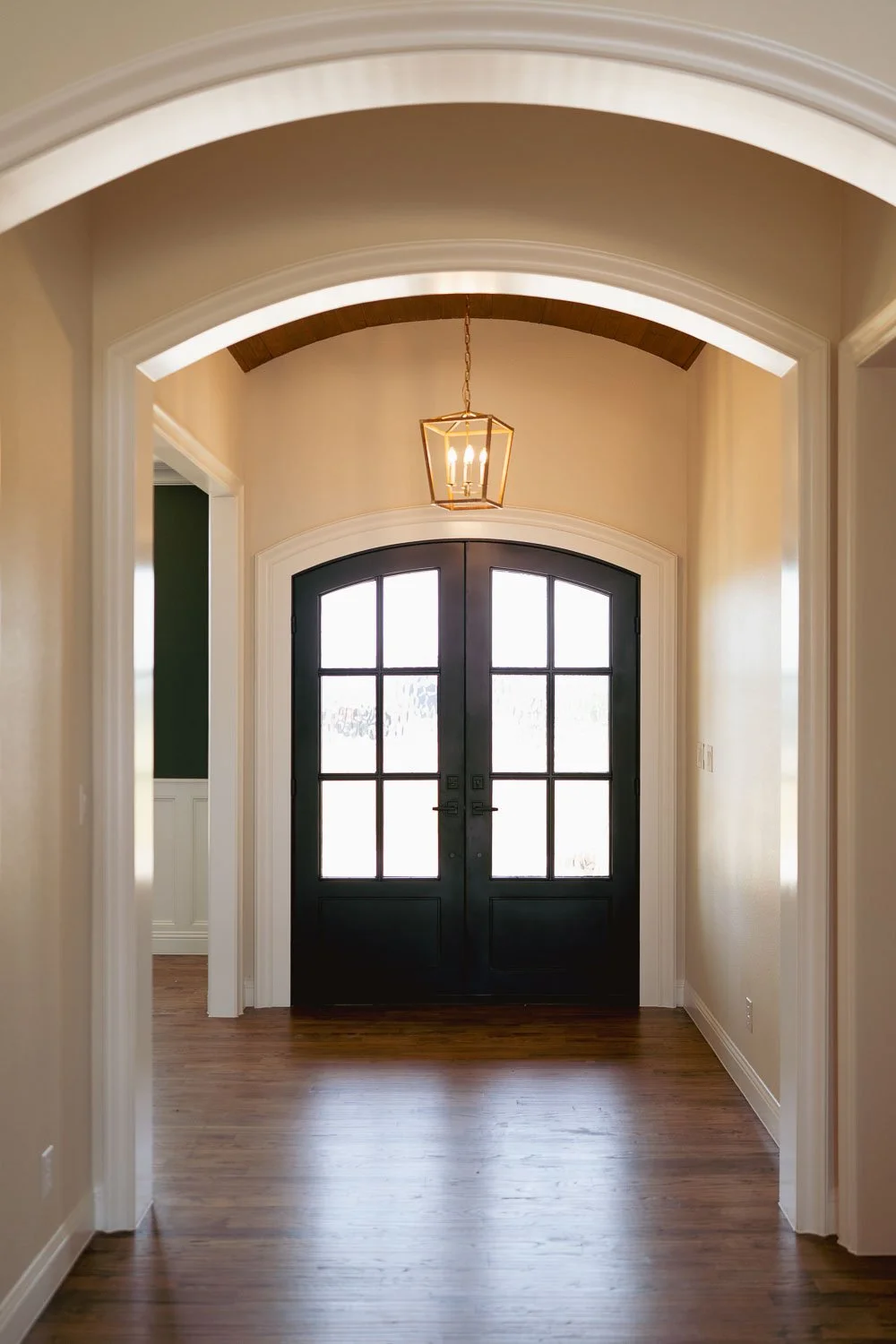
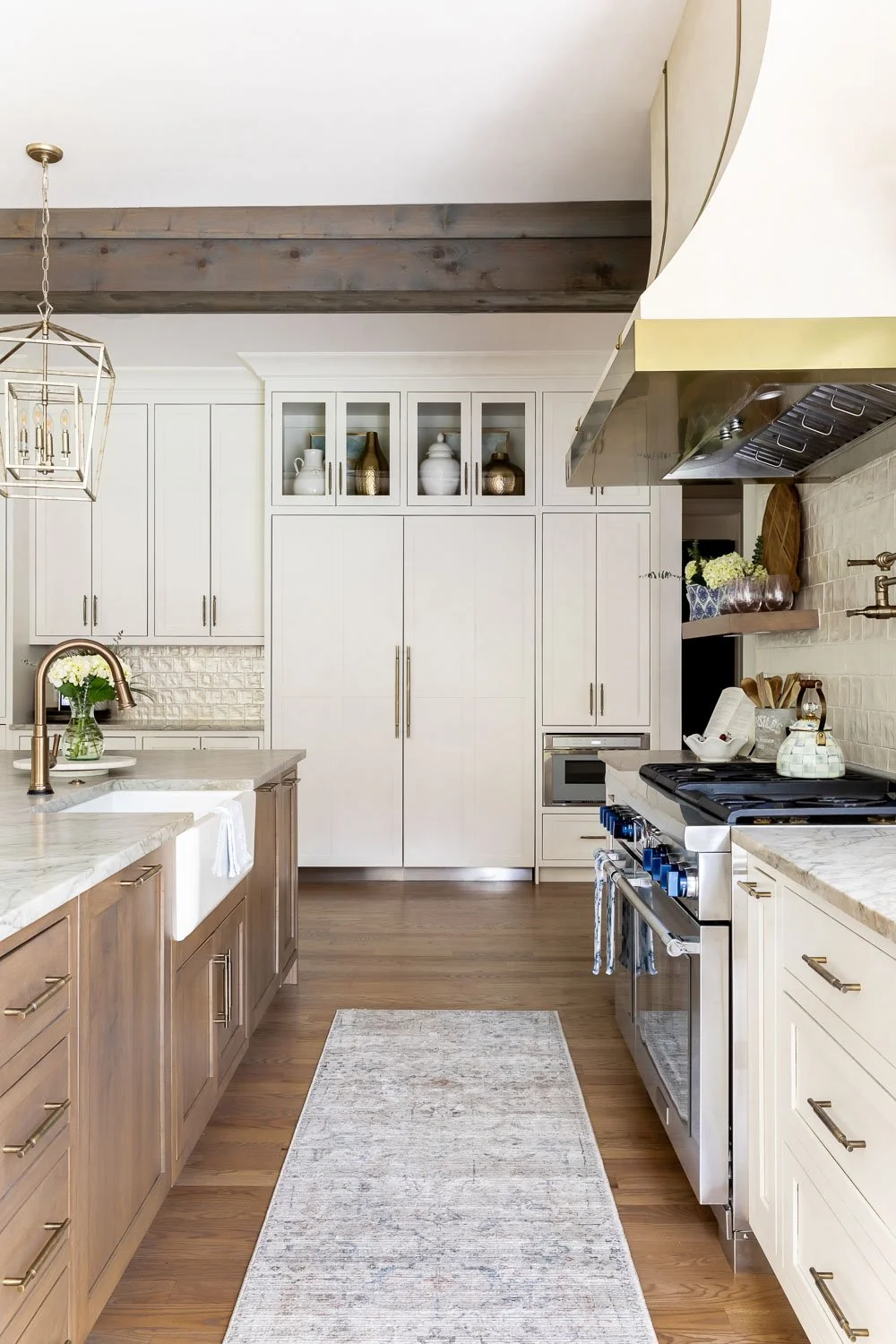
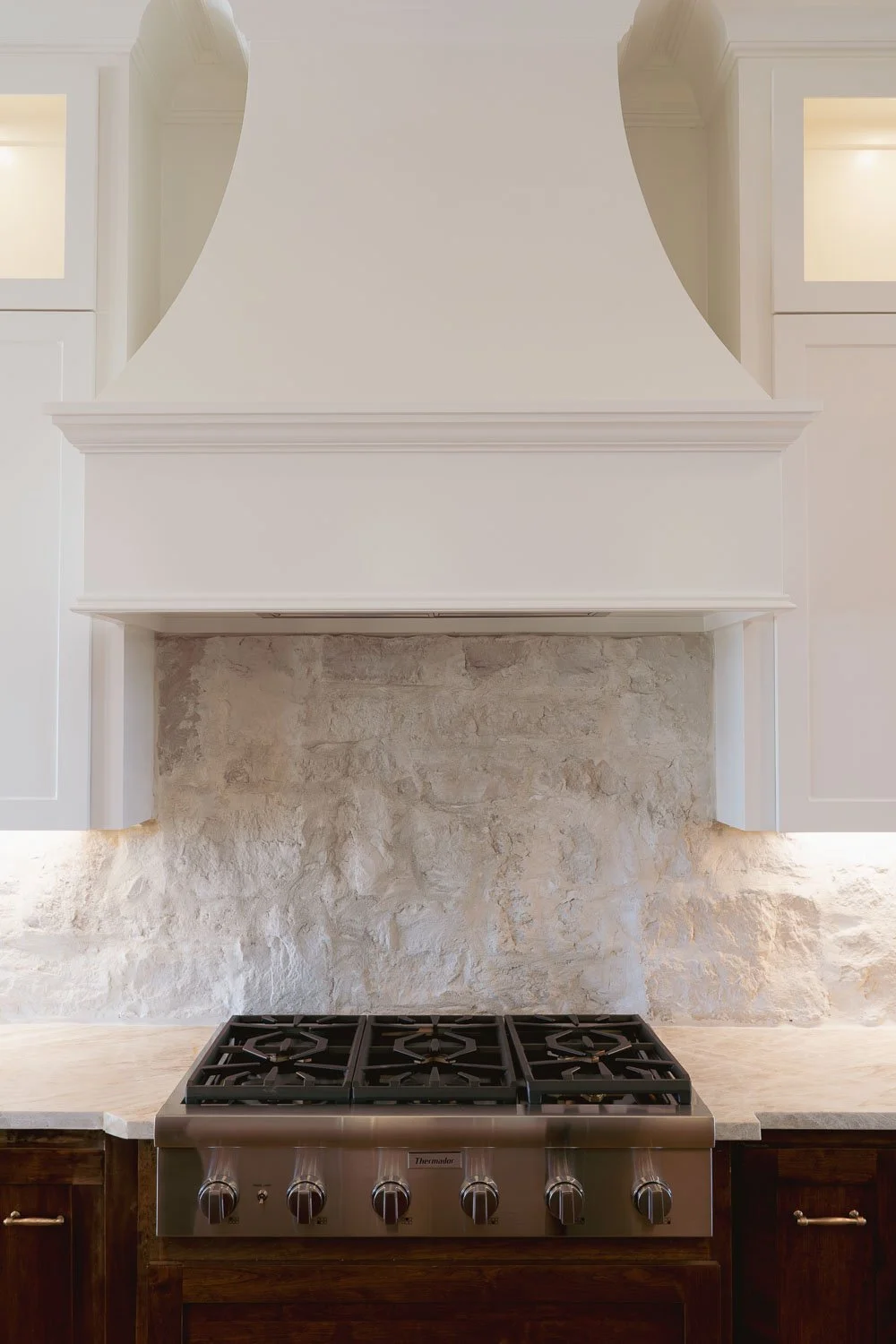
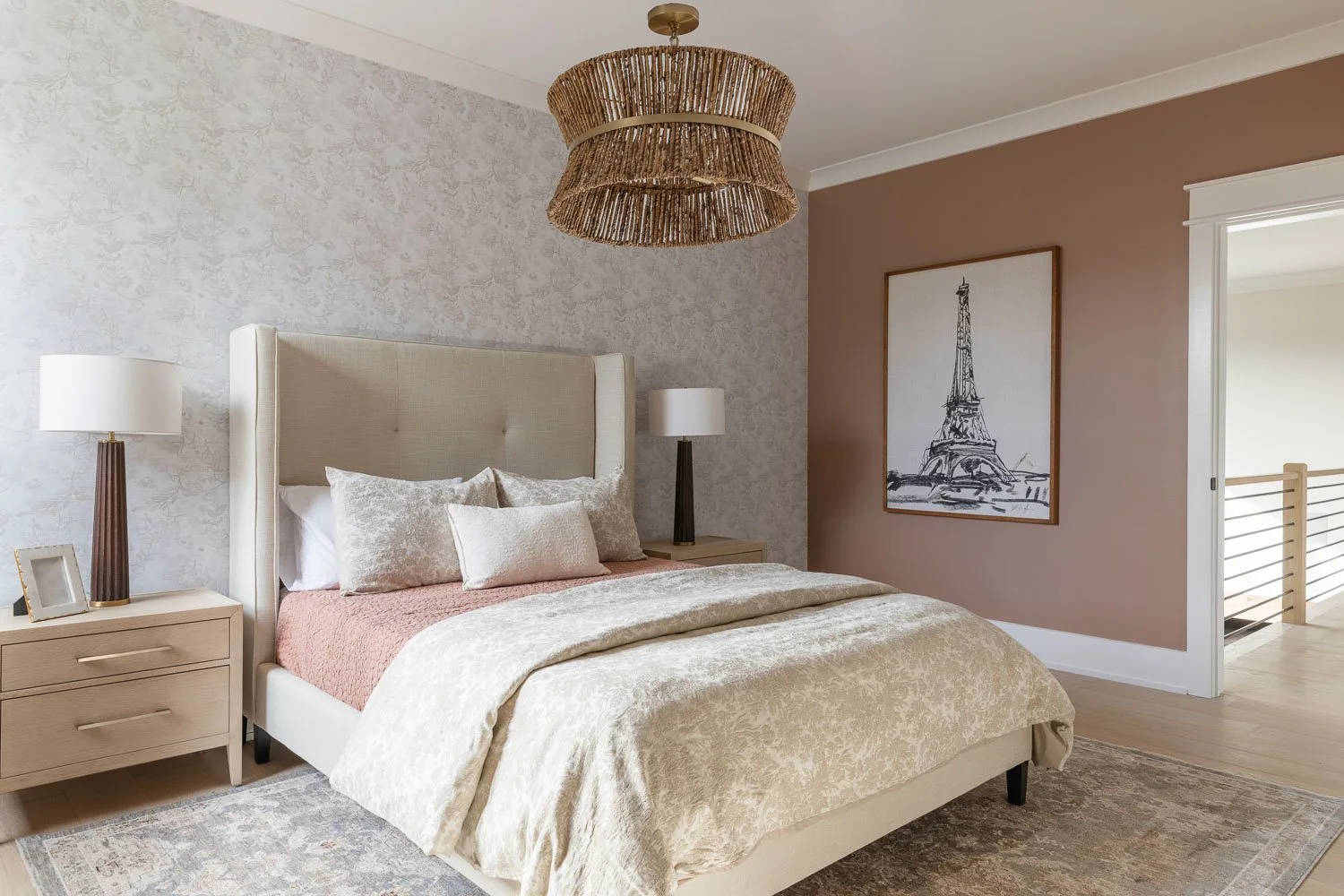
One of the biggest changes in the latest trends for interior design is the return of warmth. Cool tones are giving way to creamier neutrals, earthy finishes, and warm paint tones that make a space feel softer and more welcoming.
People still love a neutral home, but now they want those neutrals to feel cozy instead of stark. Warm whites, taupes, sandy beiges, muted clay tones, and rich wood finishes all help create that feeling. Even small updates, like changing wall color or swapping in warmer materials, can make a home feel more inviting.
Spaces Feel More Collected
Instead of ordering an entire room in one click, homeowners are leaning toward pieces that feel more curated over time. That means mixing old and new, blending textures, and adding details that have meaning.
This is part of what makes a home feel like home. A collected space has personality. It tells a story. It doesn’t feel overly staged or overly perfect, and that’s exactly why it works.
Defined Rooms Are Making a Comeback
While many people still appreciate the openness of open concept floor plans, there’s definitely a renewed appreciation for rooms with a clear purpose. We’re seeing more interest in creating intentional zones, even within open layouts.
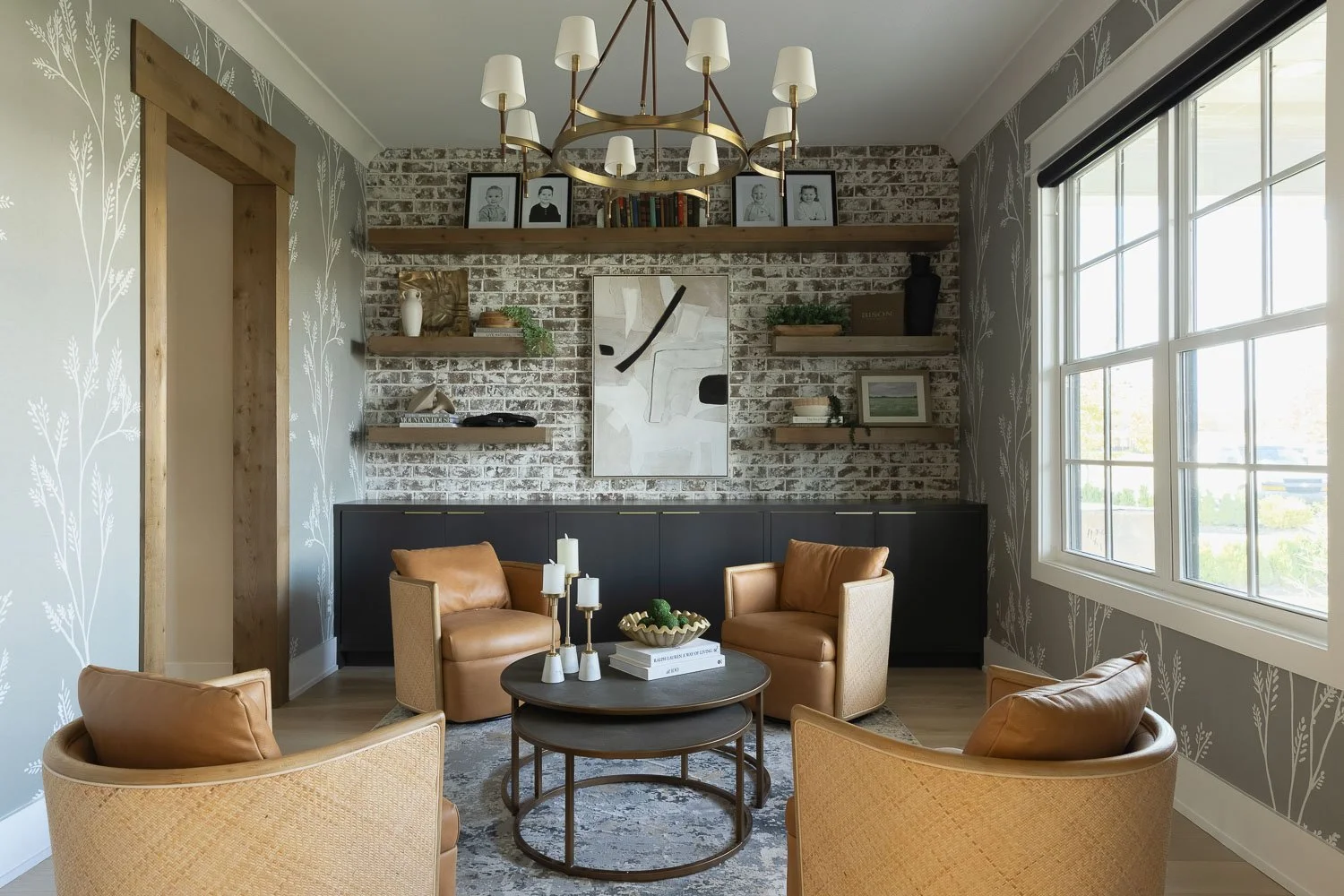
That might mean a breakfast nook that feels distinct from the kitchen, a cozy reading corner in a living room, or a dining space that actually feels special again. Thoughtful dining room design is a great example of this shift. Instead of being treated like an afterthought, dining rooms are becoming places people genuinely want to gather in.
Custom Details Matter More
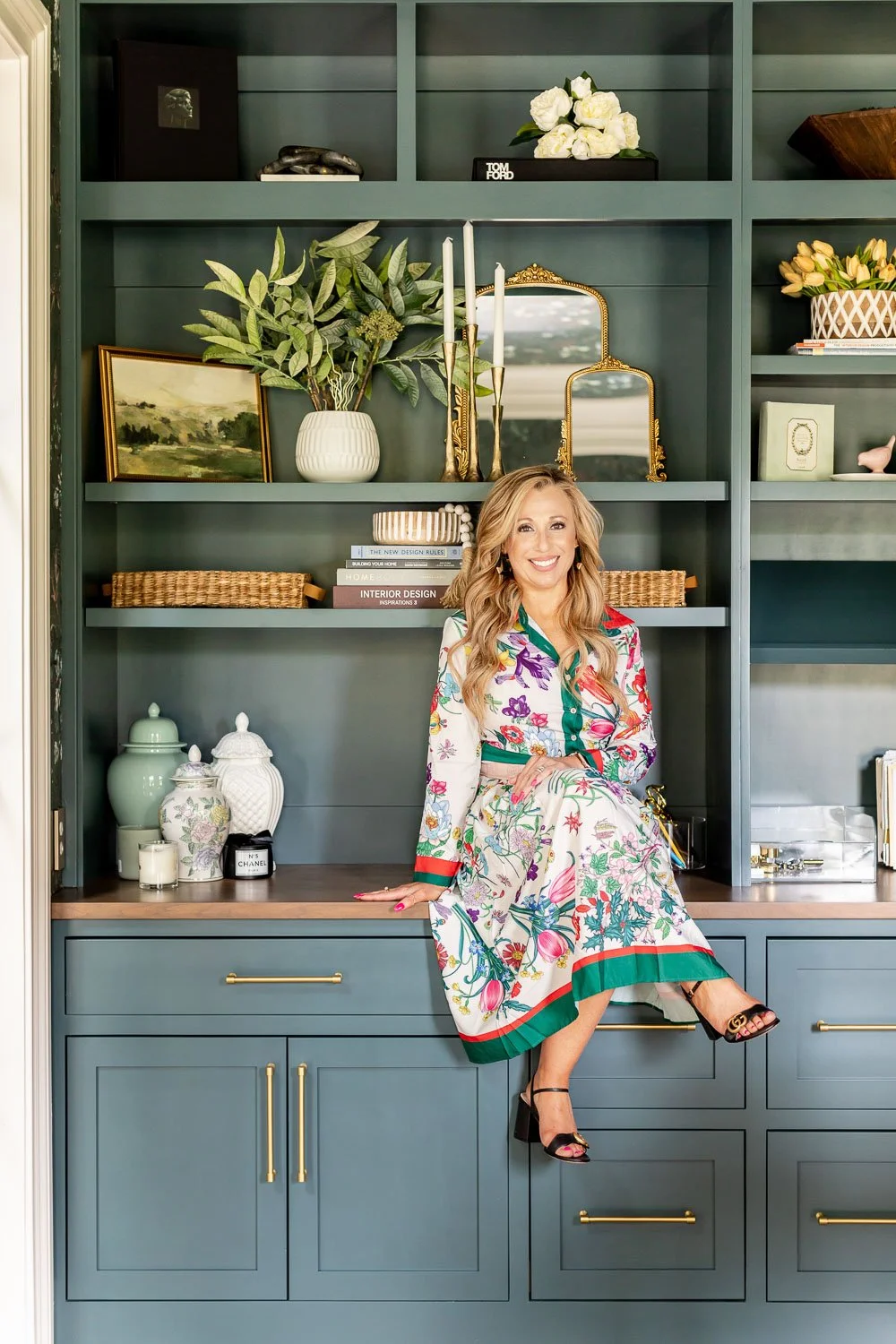
We’re also seeing a rise in tailored design solutions. Mass-produced design is giving way to spaces that feel more custom and personal. Features like custom built in cabinets, custom upholstery, and architectural details help a home feel unique to its owners. Not only are they beautiful, but they also solve real problems by adding storage, structure, and architectural interest.
Custom details help a home feel elevated in a way that trends alone just can’t. They make a space feel considered. They also help homeowners create a look that is unique to them, rather than one that feels pulled from a template.
Quality Over Quantity
Another major shift is the move toward investing in fewer, better things. Instead of filling a home quickly, people are thinking more carefully about what they bring into it. They want pieces that will last, function well, and continue to feel good years from now.
This is one of the reasons timeless interior design is having such a moment. People are realizing that a well-designed home doesn’t need to chase every trend. It just needs to feel grounded, intentional, and reflective of the people living there.
Why This Shift Happened
We live at home differently now
The past several years changed how we use our homes. More specifically, the post-2020 years changed how we live, work, gather, and rest, and our homes had to adapt. Because of that, people started paying much closer attention to how their spaces actually functioned. A home that only looks good is no longer enough. It also has to support real life.
People are tired of fast trends
There’s also a growing burnout around trends that come and go too quickly. Many homeowners have experienced the frustration of investing in a look that feels outdated just a few years later.
Now, there’s much more interest in making thoughtful updates that will age well. That doesn’t mean homes have to be boring! It just means they should feel like they were designed with longevity in mind.
Personality matters more than perfection
One of our favorite changes is that homes are becoming less about impressing people and more about reflecting the people who live there. That means more character, more warmth, more texture, and more room for individuality.
The goal is no longer to create a home that could belong to anyone. It’s to create a home that could only belong to you.
What This Means for Homeowners
The good news is that you don’t need to completely start over to make your home feel more current. In fact, some of the best changes are simple ones!
You can start by looking at where your home feels too cold, too flat, or too generic. Maybe that means swapping gray interior paint for something softer and warmer. Maybe it means bringing in natural wood tones, adding layered textiles, or rethinking how a room is being used.
It could also mean investing in a feature that adds both beauty and function, like custom built in cabinets, or refreshing your dining room so it feels more usable and inviting. Even in homes with open concept floor plans, small shifts can make spaces feel more defined and intentional!
The key is to stop asking what everyone else is doing and start thinking about what would make your home feel better for you.
The Return to Timeless Living
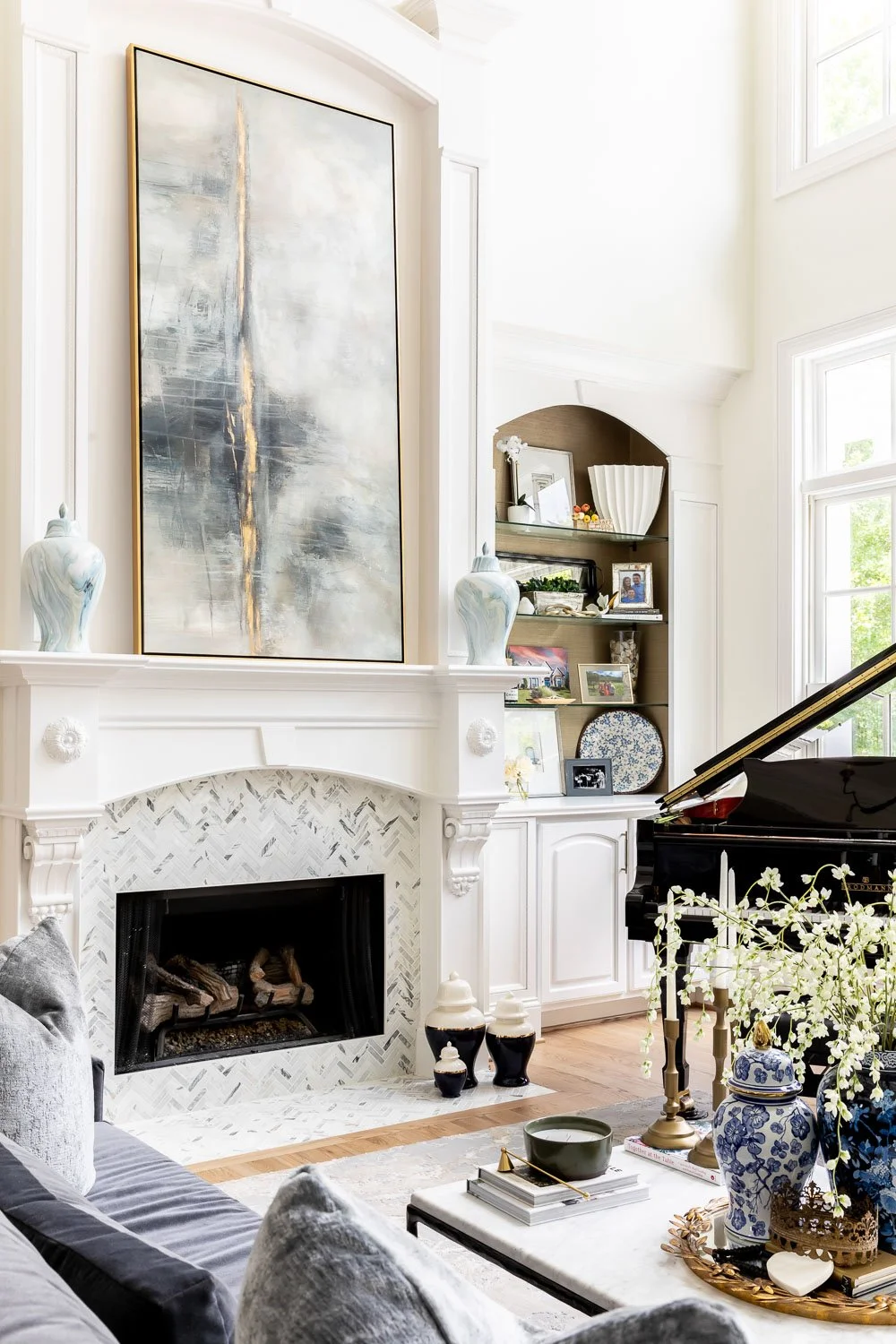
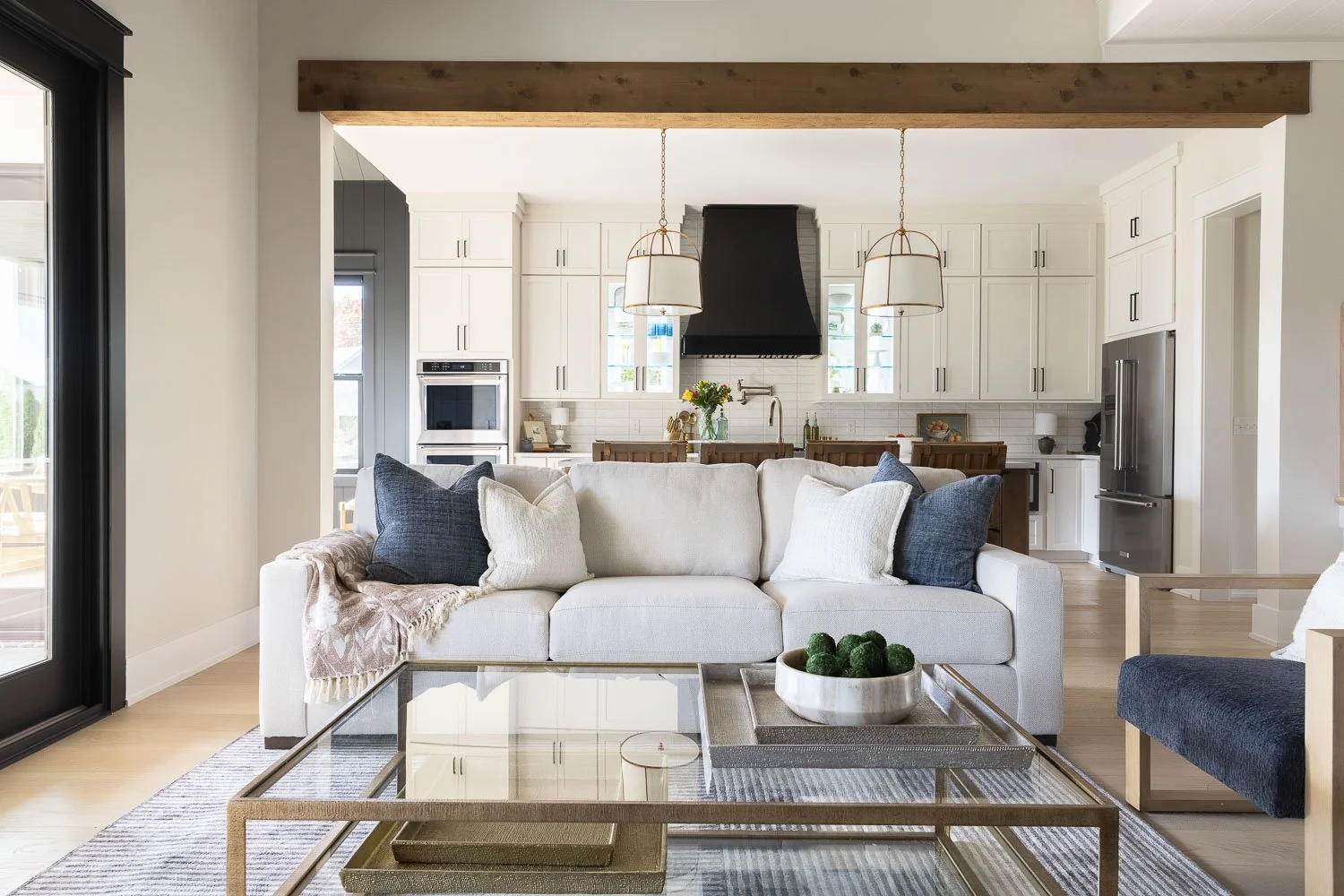
At its core, this shift in design is about coming back to what matters most. The current trends for interior design are actually pointing us back toward something more lasting. Homes are becoming less about impressing other people and more about supporting real life. They’re being shaped by personal stories, favorite materials, beloved pieces, and the rhythms of everyday living.
They’re homes that feel warm, thoughtful, personal, and easy to live in. And that’s really the heart of timeless interior design. It’s not about making everything traditional or playing it safe. It’s about creating a home that still feels good years later because it was designed around your life, your taste, and your story.
A home with soul will always outlast a home built around quick trends.
At Spaces in Bloom Designs, we believe the best trends for interior design are the ones that help your home feel more like you. If your space is ready for a refresh, reach out today. We’d love to help you create something warm, functional, and beautifully personal for this season, and for the years ahead.
Like this post? Share it to Pinterest!