Full-Service Interior Design vs AI: Real Value Explained
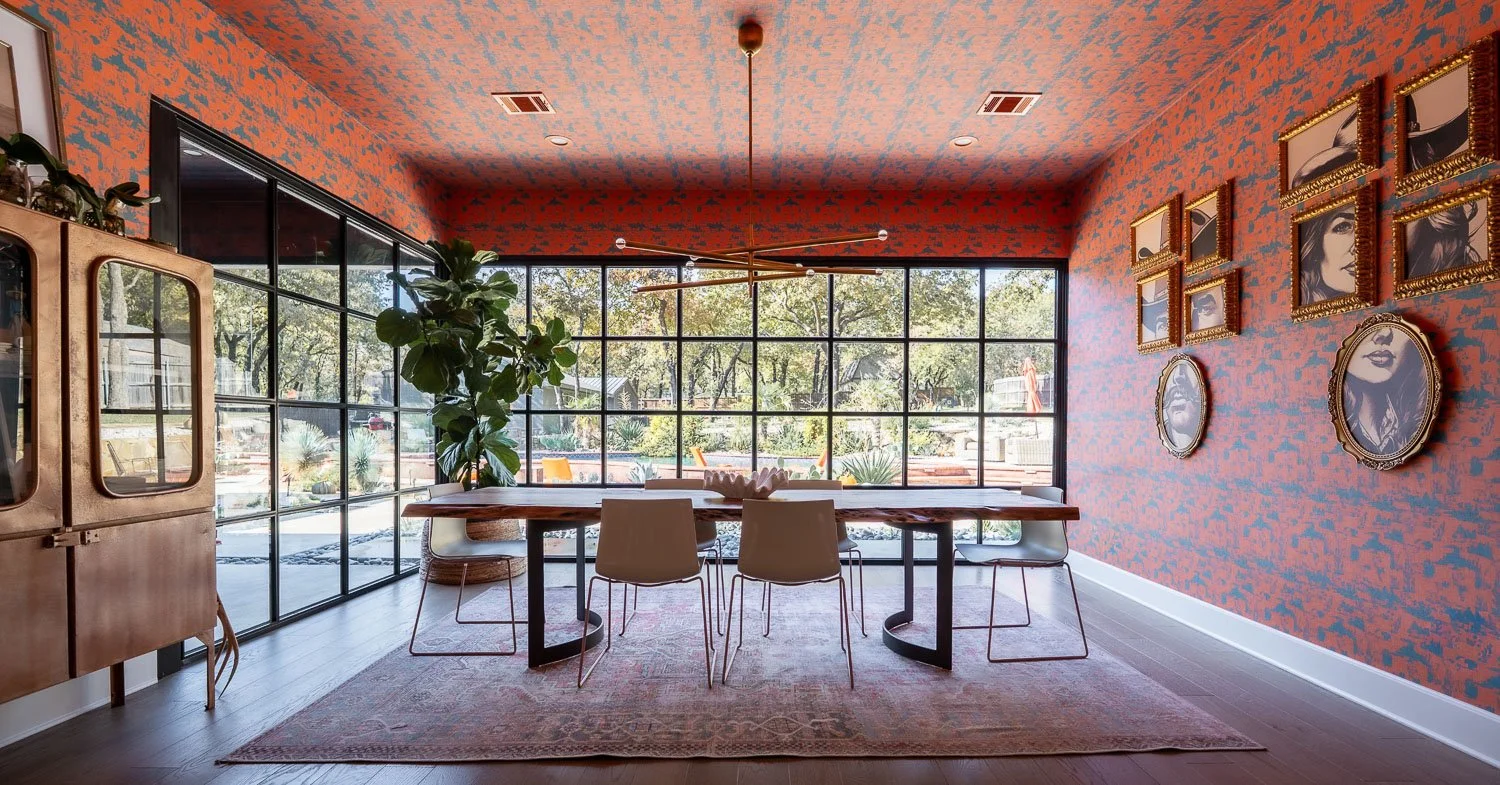
When it comes to creating a home you truly love, full-service interior design offers something no software ever could: a deeply personal, intentional approach rooted in real life. Full-service interior design isn’t about chasing trends or generating pretty pictures, but it’s about creating a home that actually works for you! With the rise of the AI interior design generator, many homeowners are wondering if technology can replace working with a designer. And as experienced interior designers, we see AI as a super helpful support tool. And while it can be a great tool, it’s not the decision-maker and definitely not a replacement for thoughtful, human-led design.
At Xela Andrews Interiors, we believe in embracing innovation while staying grounded in what matters most: people, homes, and the way they’re lived in every single day.
AI & Interior Design: Helpful Tool, Not the Designer
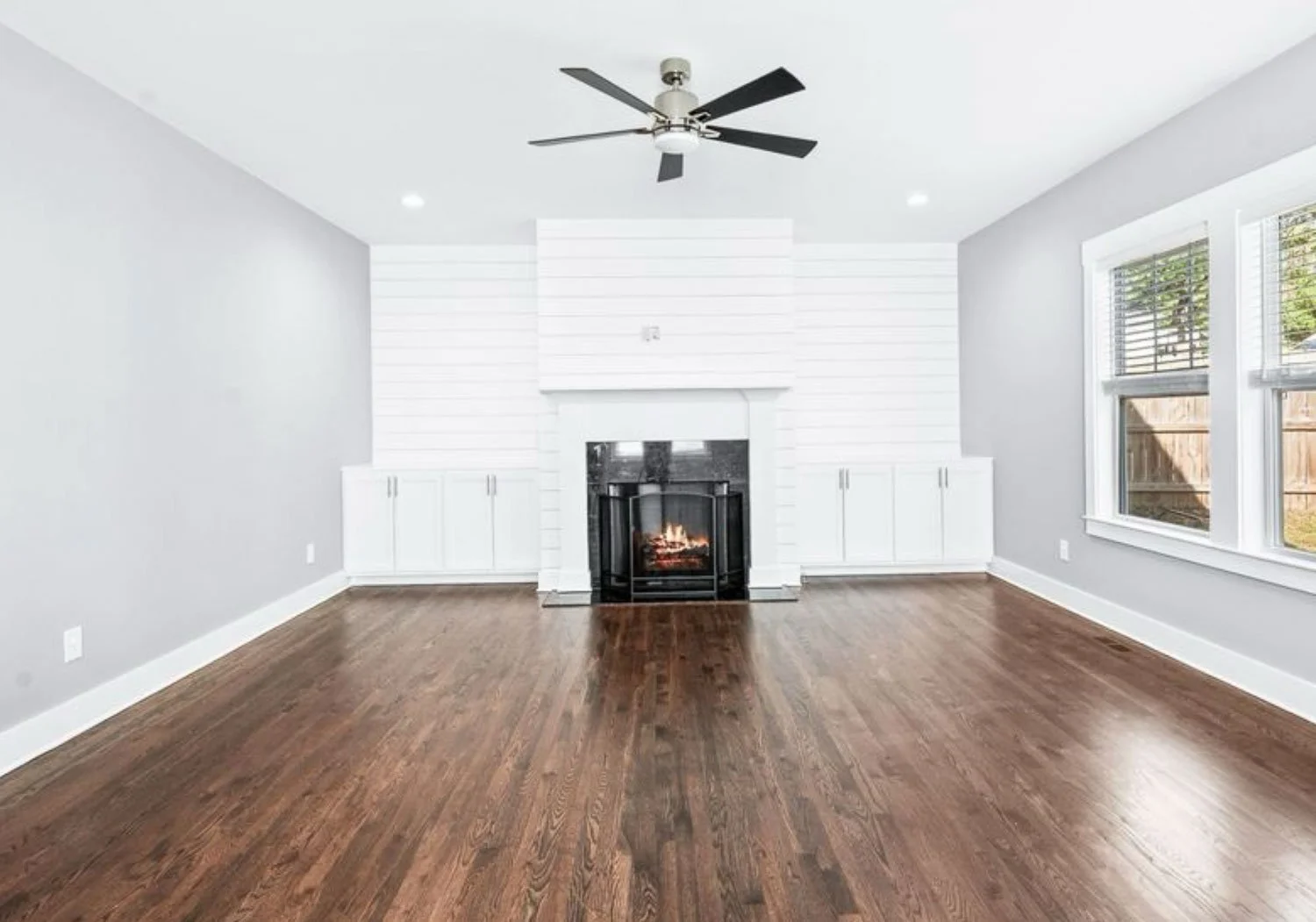
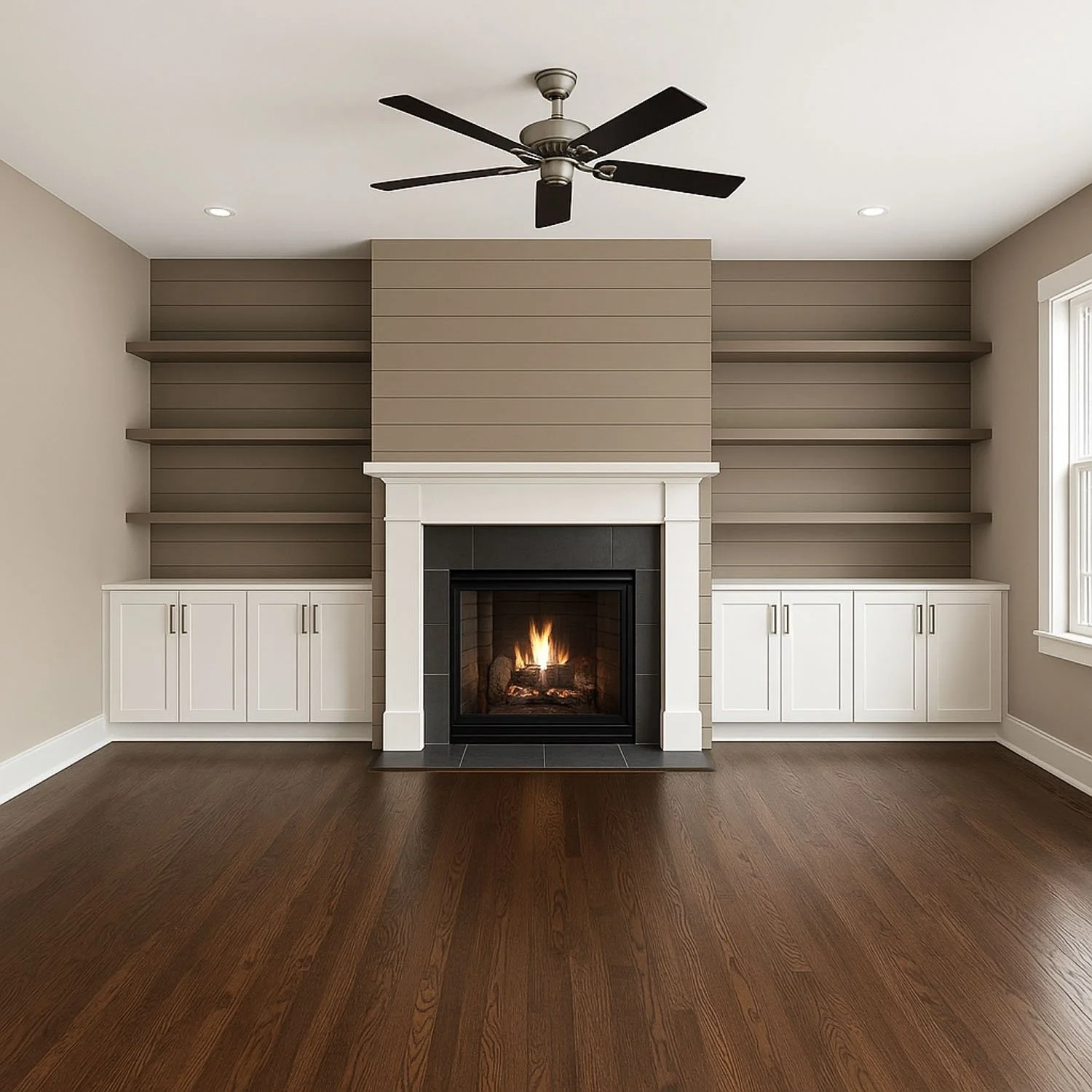
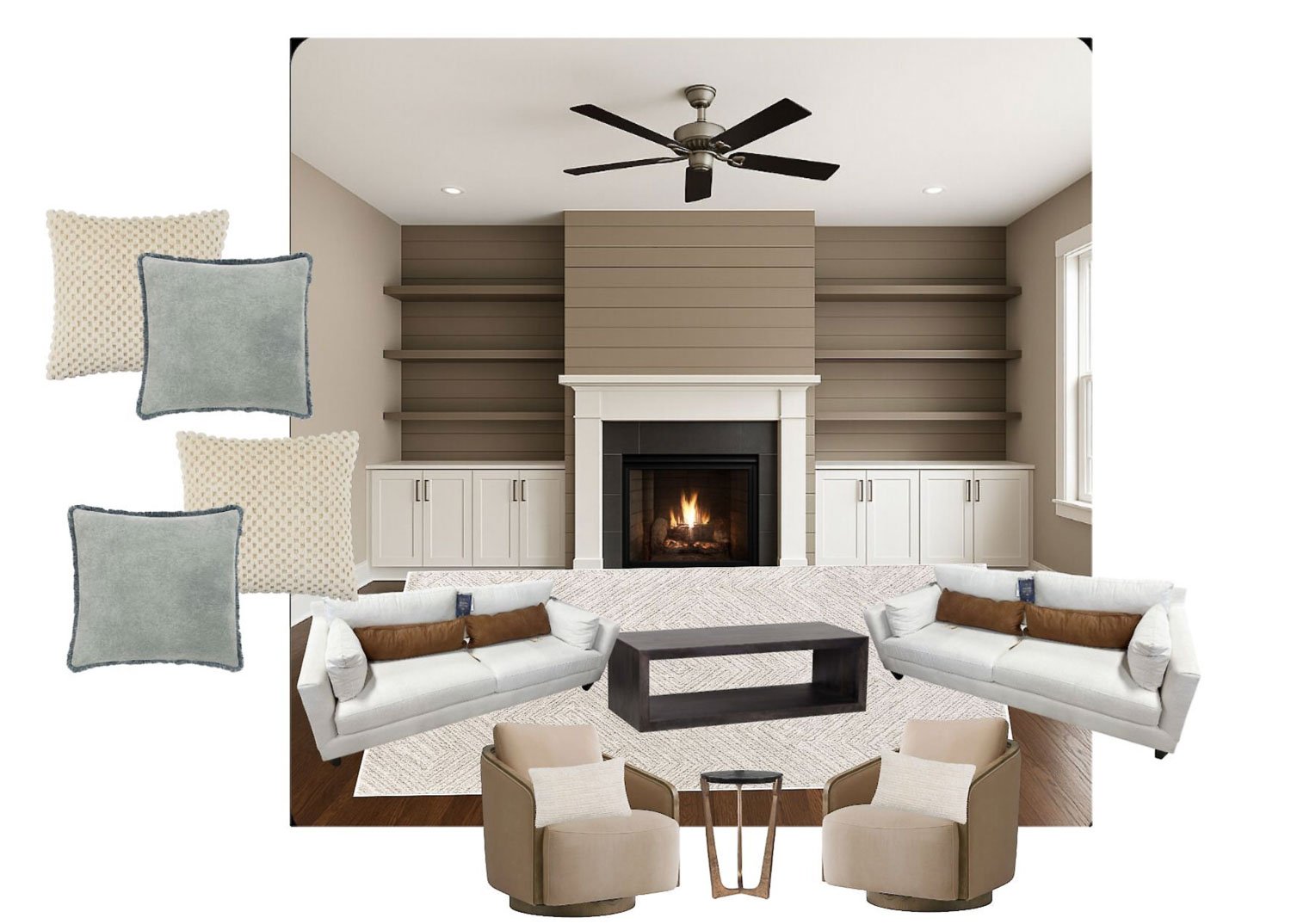
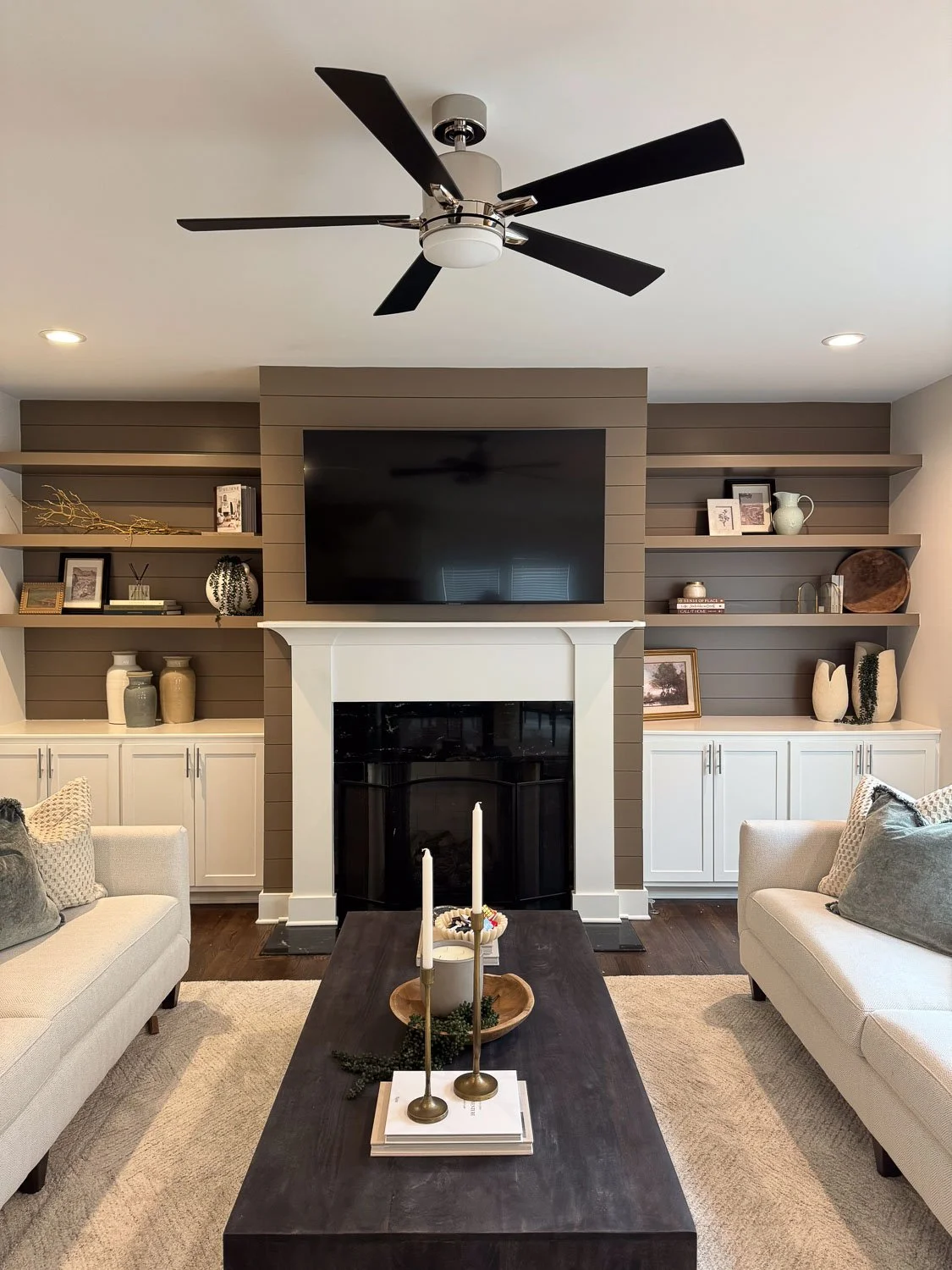
Let’s get this out of the way first. We aren’t anti-AI, and in fact, we use it! An AI interior design tool can be incredibly useful for efficiency, early inspiration, and organizing ideas behind the scenes. When used correctly, it helps us work smarter so we can spend more time focused on you!
Understanding how to use AI for interior design means knowing where it fits.
Where AI Supports the Process
Early mood exploration
Quick concept visualization
Supporting research and idea generation
What it shouldn’t do is replace real design judgment, experience, or the relationship between designer and client. AI supports the process, but it doesn’t (and shouldn’t) lead it.
Design Is Personal and AI Doesn’t Live Your Life
AI doesn’t know that your family gathers in the kitchen or how your kids sprawl out in the living room. Your home isn’t a template, and your life isn’t generic! This is where AI interior design falls short.
Because AI doesn’t know:
How your family gathers at the end of the day
How your kids actually use the space
What “home” feels like to you
Human Design Starts with Listening
Great design comes from conversations, observation, and asking the right questions. We learn how you move through your home, what frustrates you, what brings you joy, and what you want this next chapter to feel like. No algorithm can replace that.
This is true whether you’re working with us as your Nashville interior designers (or your interior designers in Texas), or anywhere else! Great design always starts with people.
AI Can Generate Images, But Not Intention
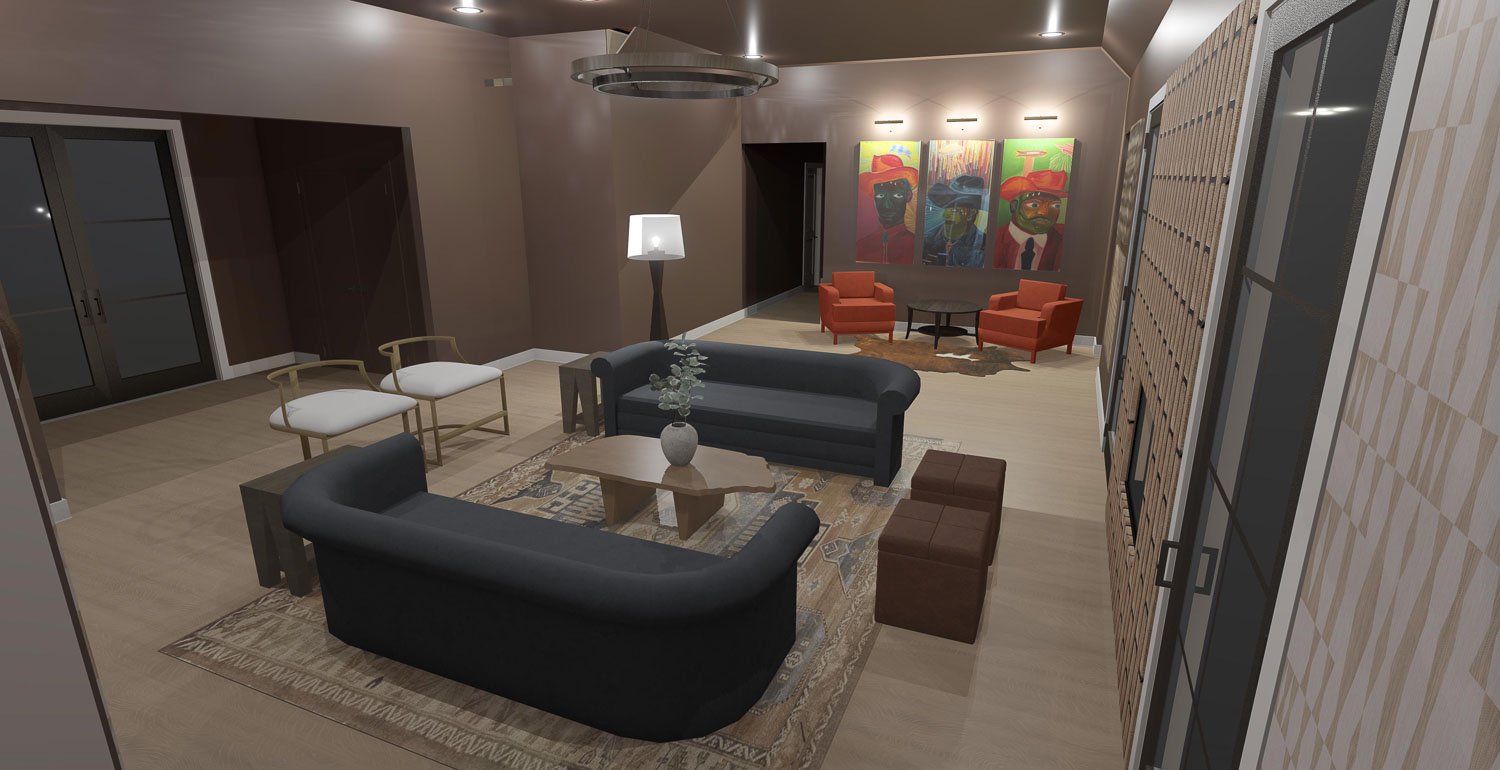
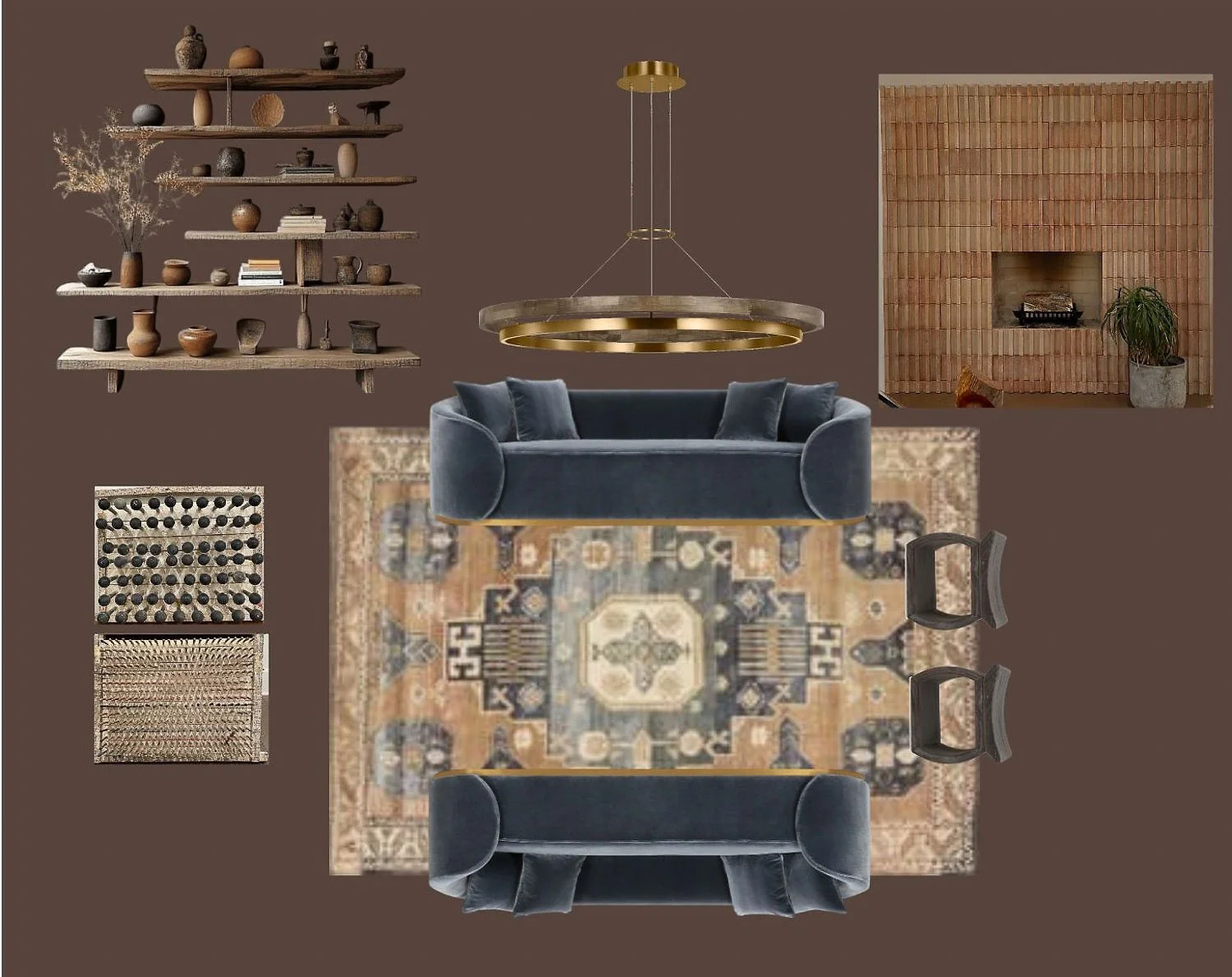
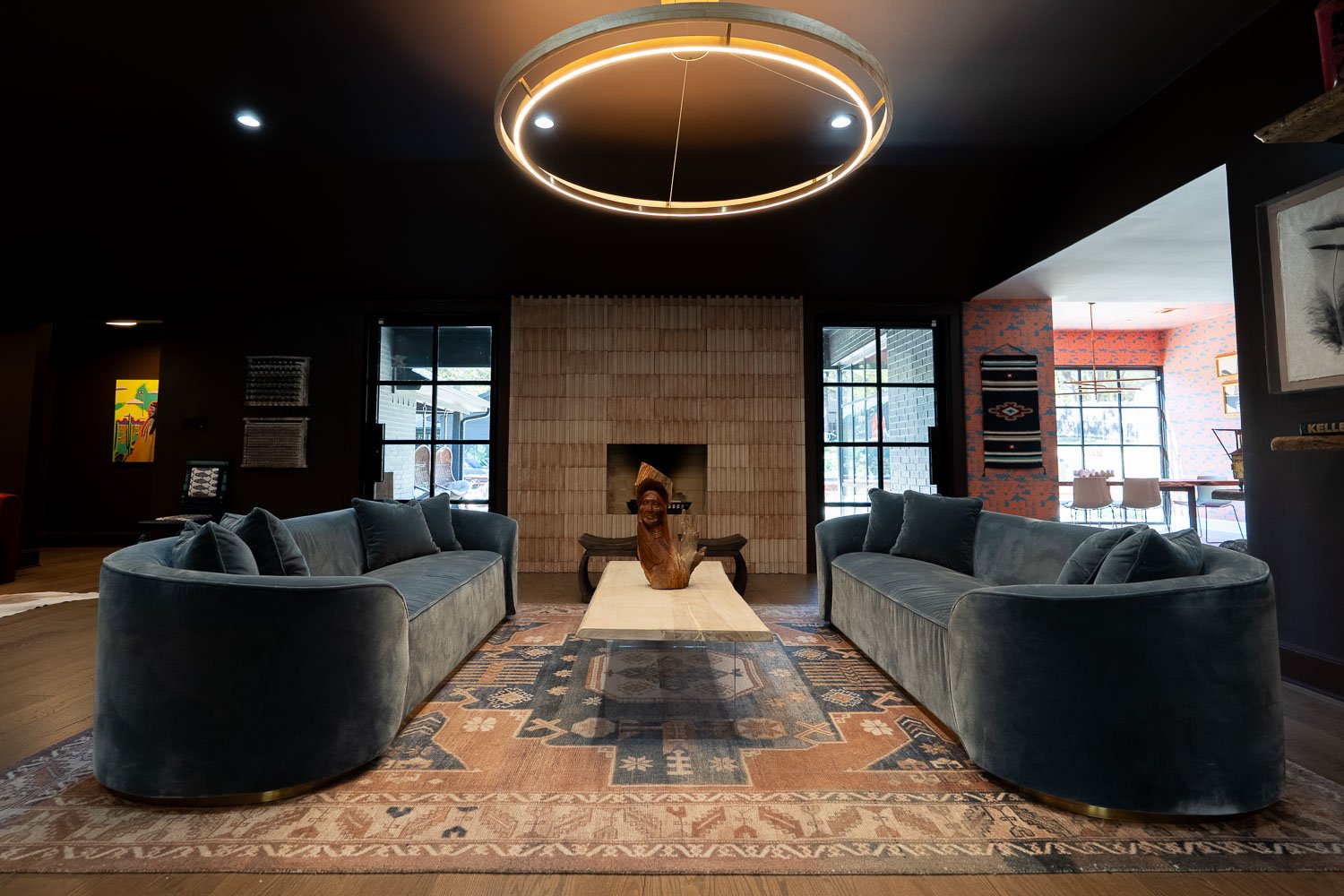
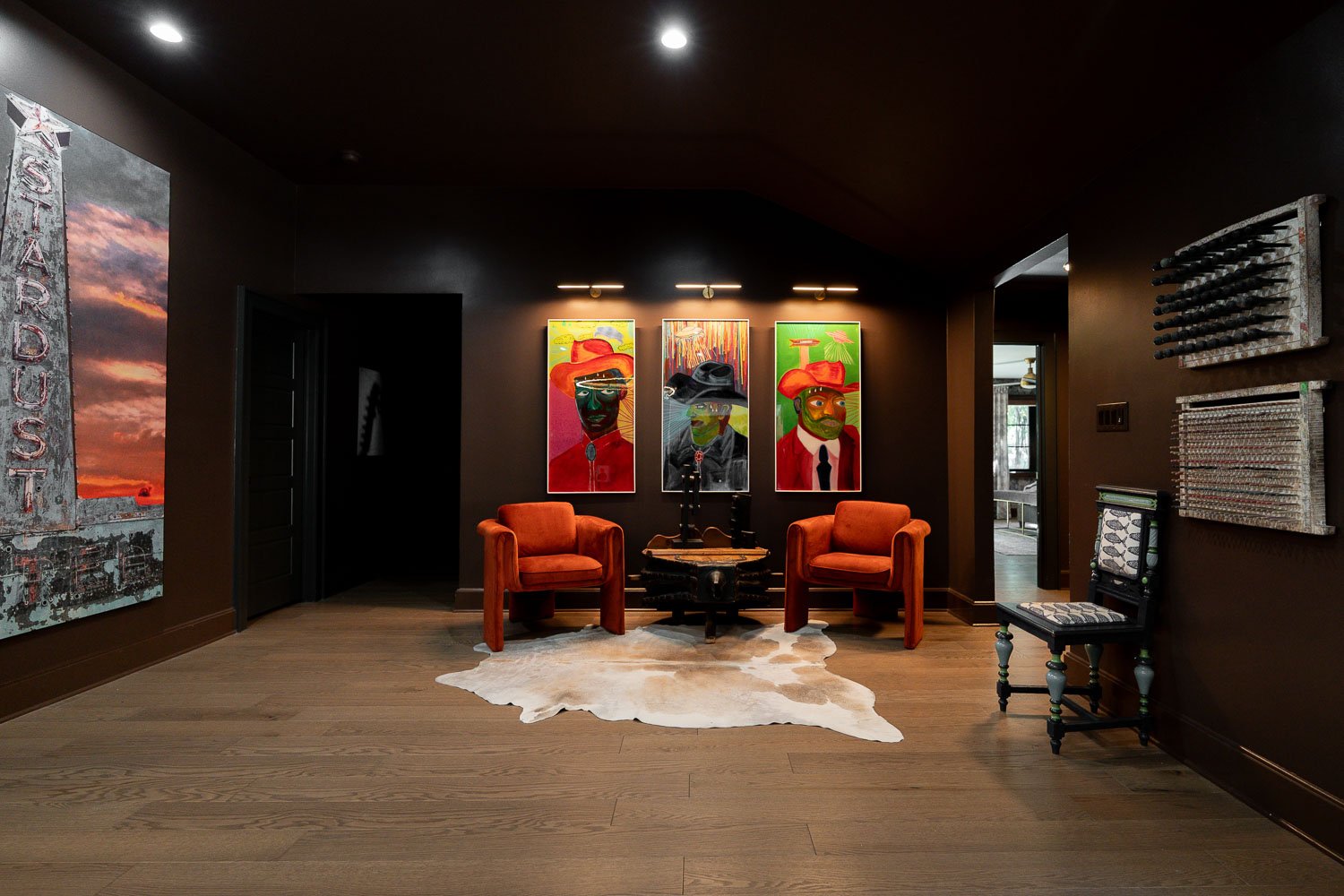
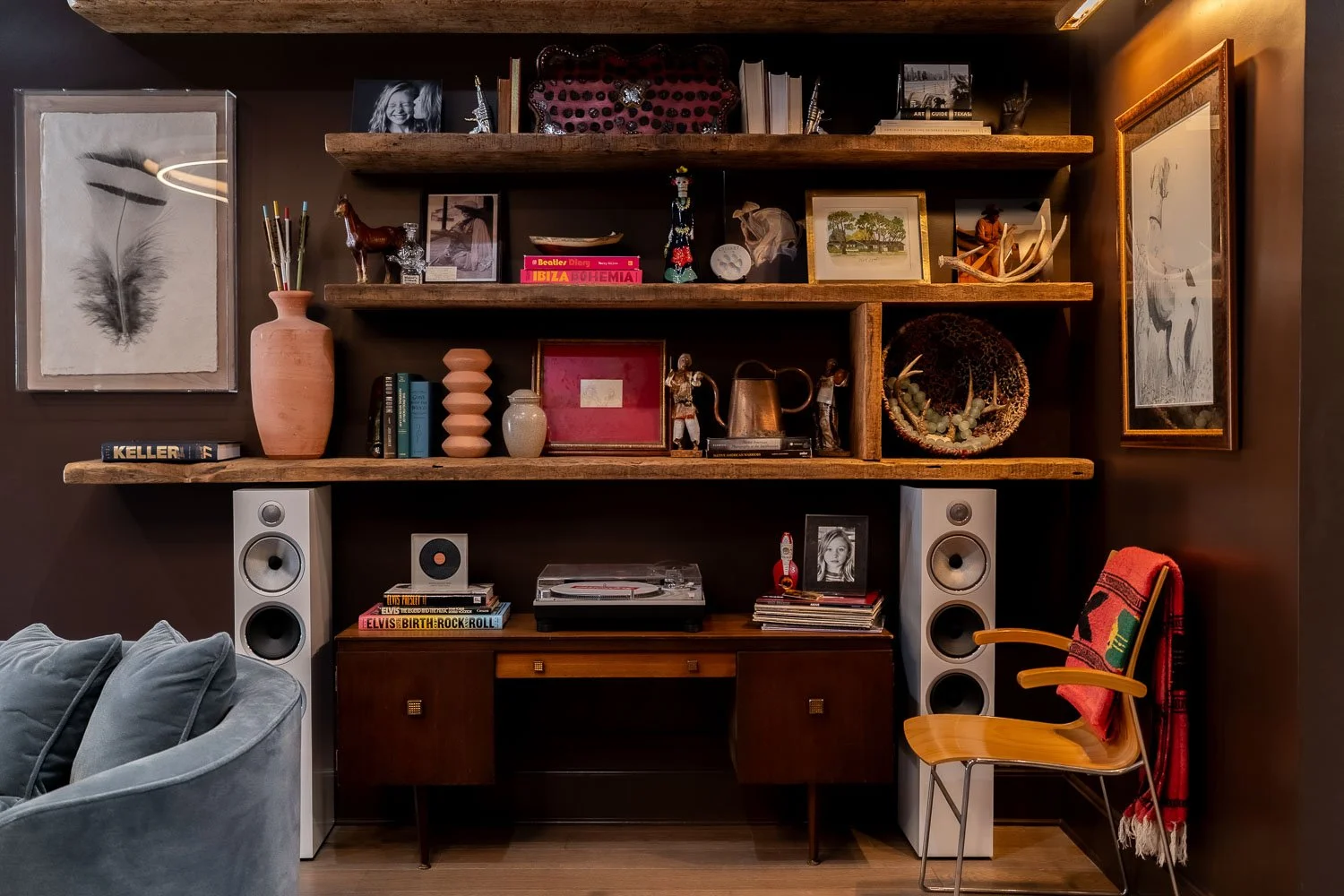
Yes, an AI interior design generator can create beautiful images in seconds. But images aren’t the same as intentional design.
AI doesn’t understand:
How light shifts throughout the day in your home
How materials wear over time with real use
How to balance beauty, durability, and budget
Real Homes Require Real-World Thinking
At Spaces in Bloom, every decision is grounded in how you actually live. That means choosing materials that can handle kids, pets, and everyday messes while still looking beautiful. AI doesn’t factor in installers, lead times, contractor coordination, or budget pivots. We do.
Experience Matters More Than Algorithms
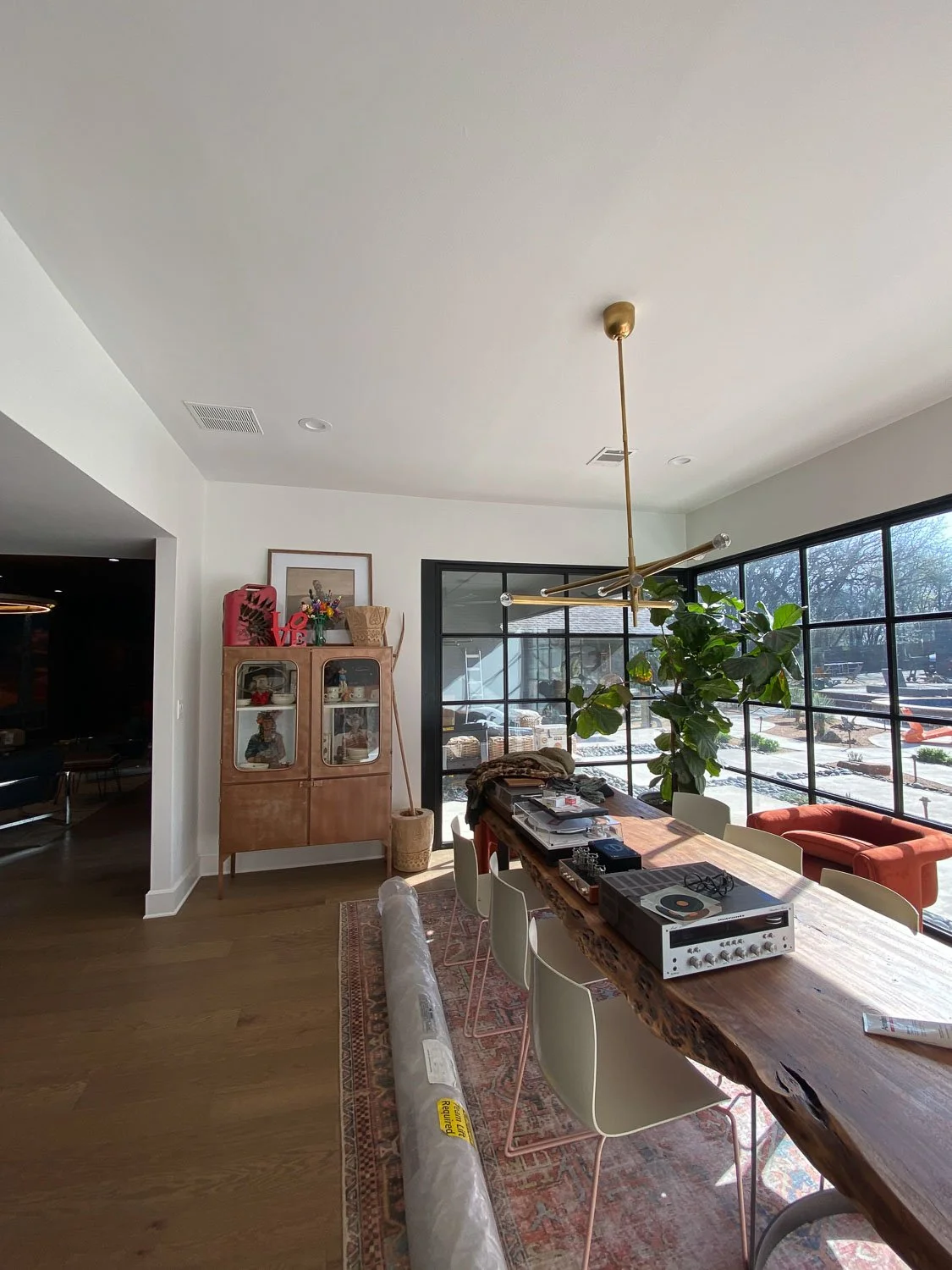
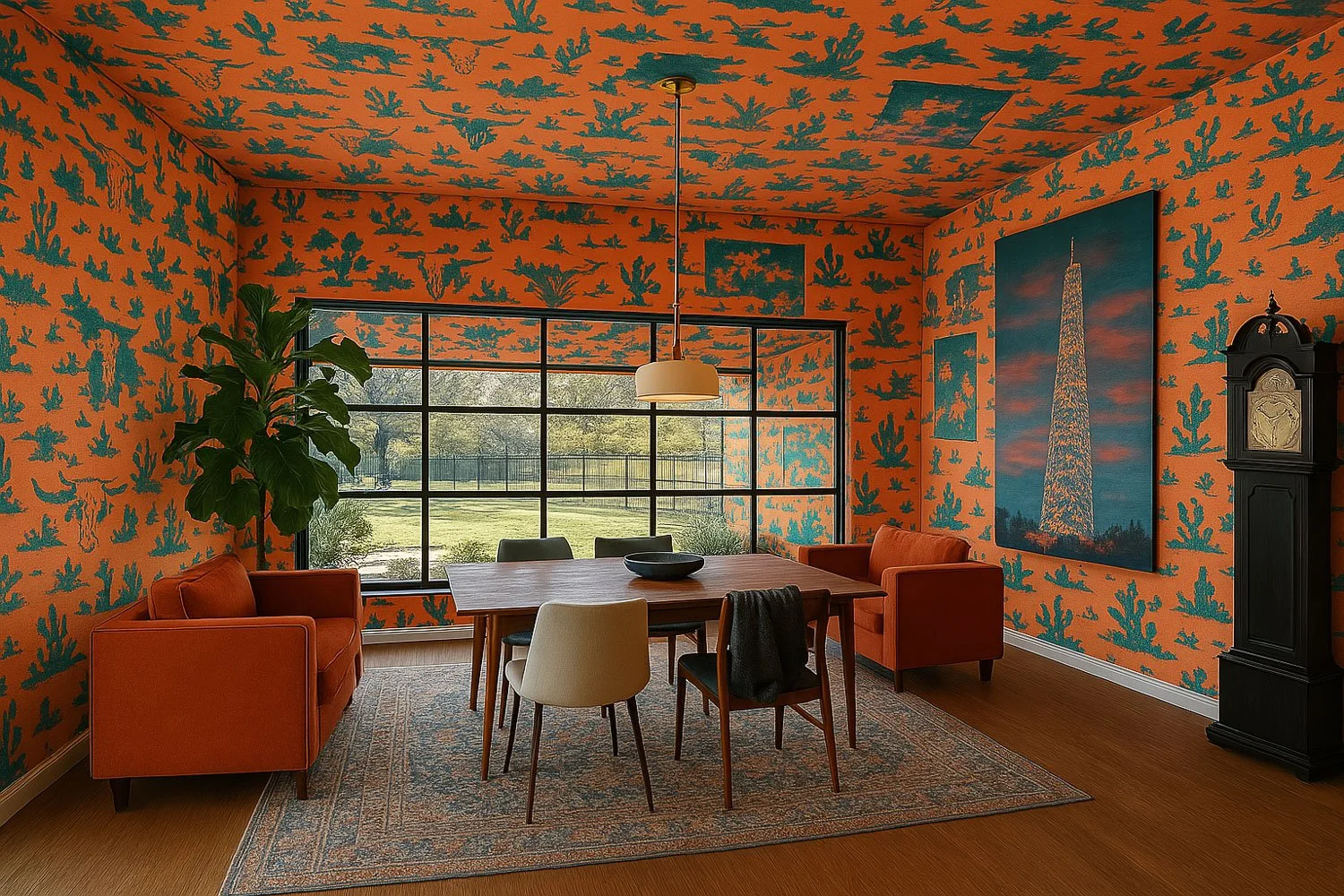
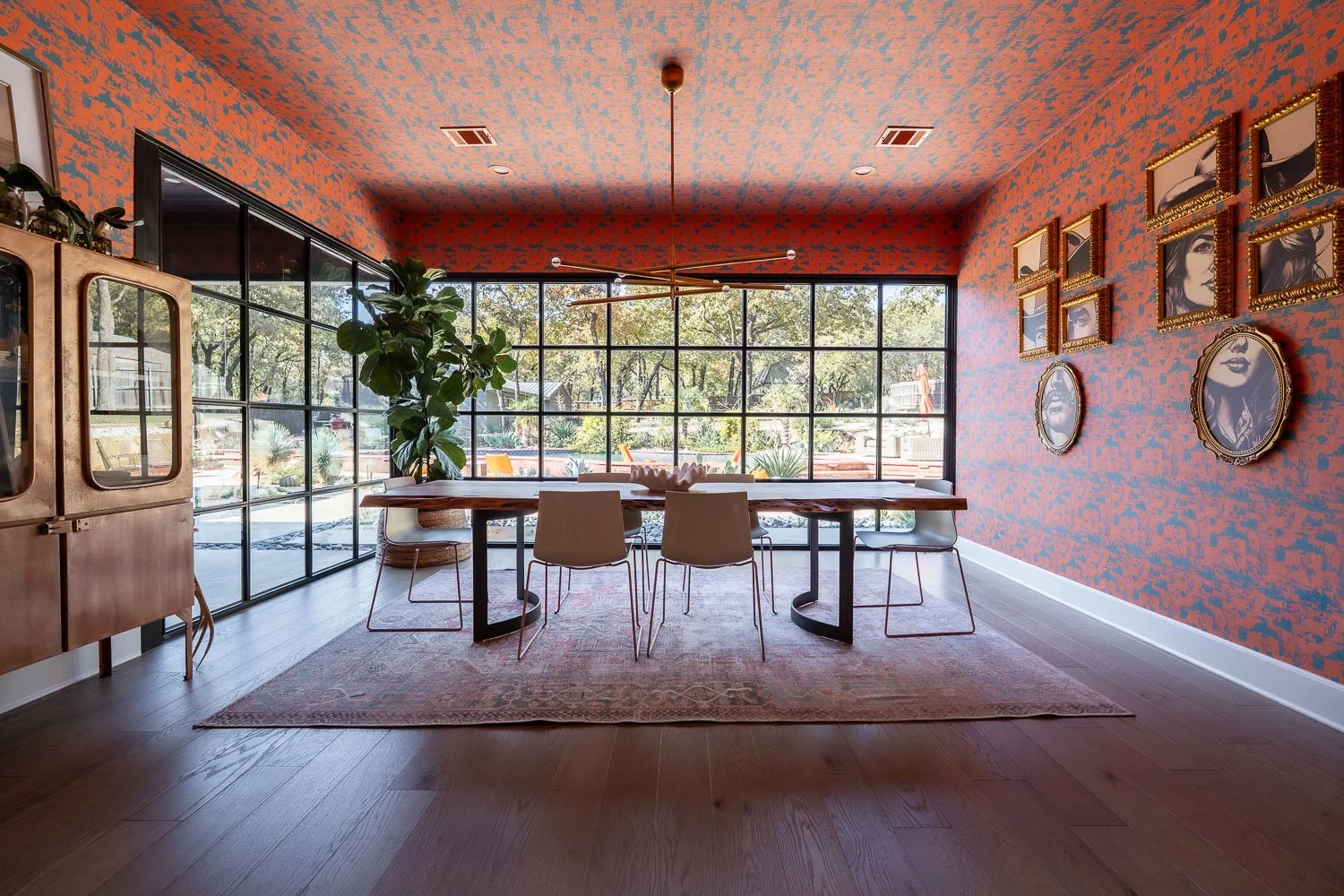
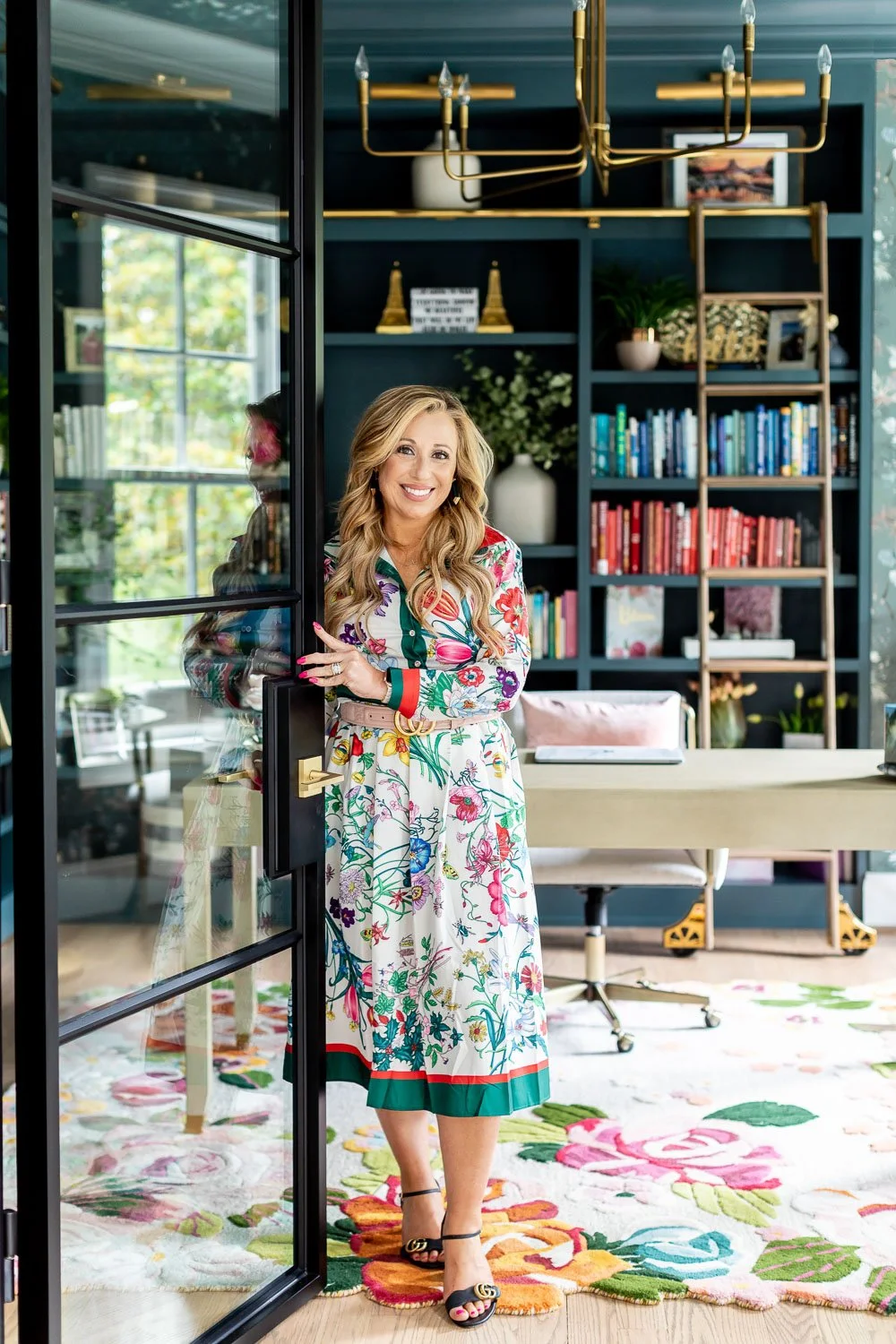
One of the biggest differences between full-service interior design and AI tools is experience. AI doesn’t know:
Local contractors or trusted trades
Realistic timelines
Where budgets tend to stretch and where they shouldn’t
Our years of hands-on experience mean we design spaces that don’t just look good online, they function beautifully in real life. This is especially important during renovations, where unexpected challenges are part of the process. When things shift (and they always do), we problem-solve, adjust, and keep things moving!
AI Loves Trends While Designers Think Long-Term
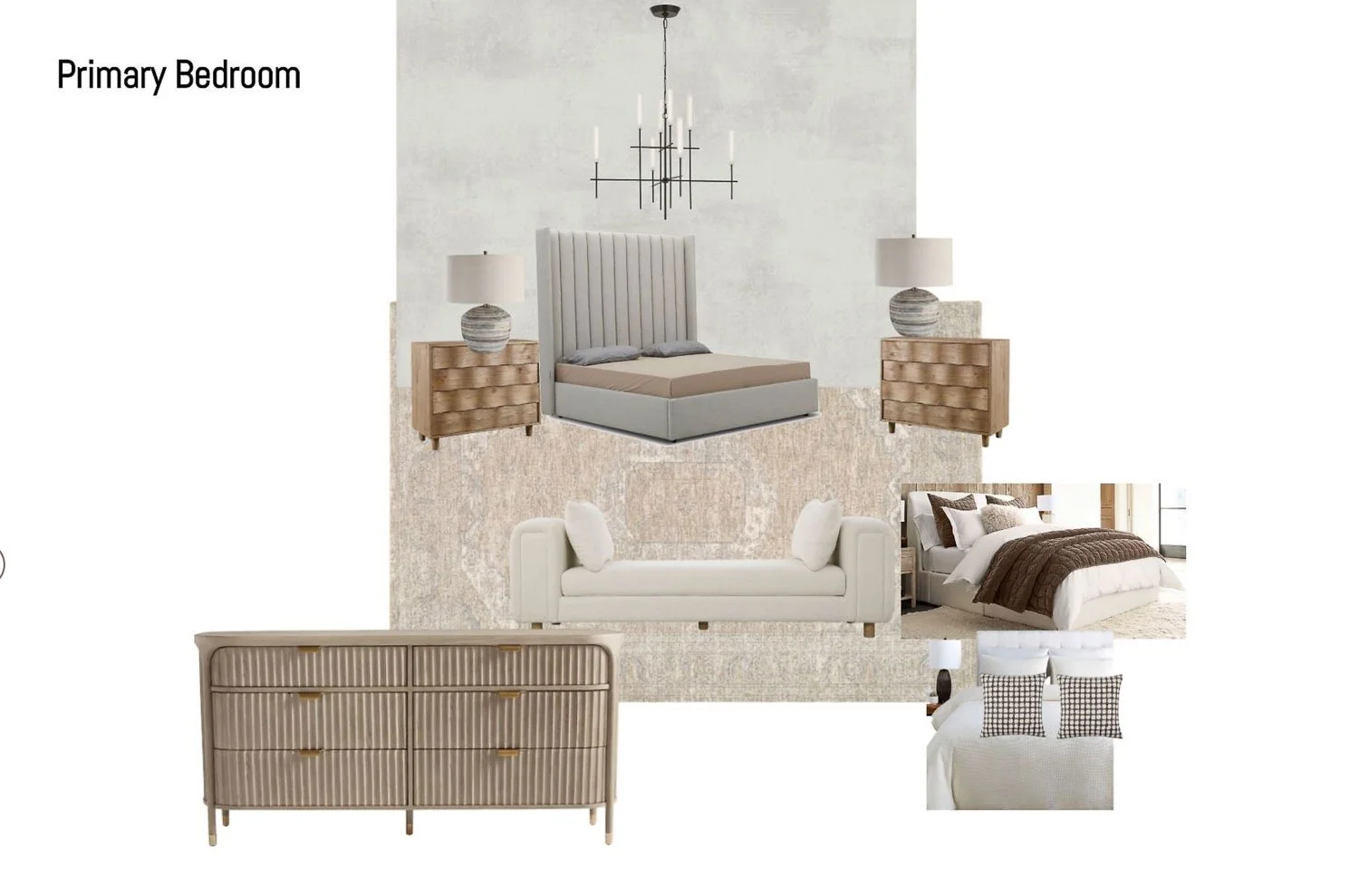
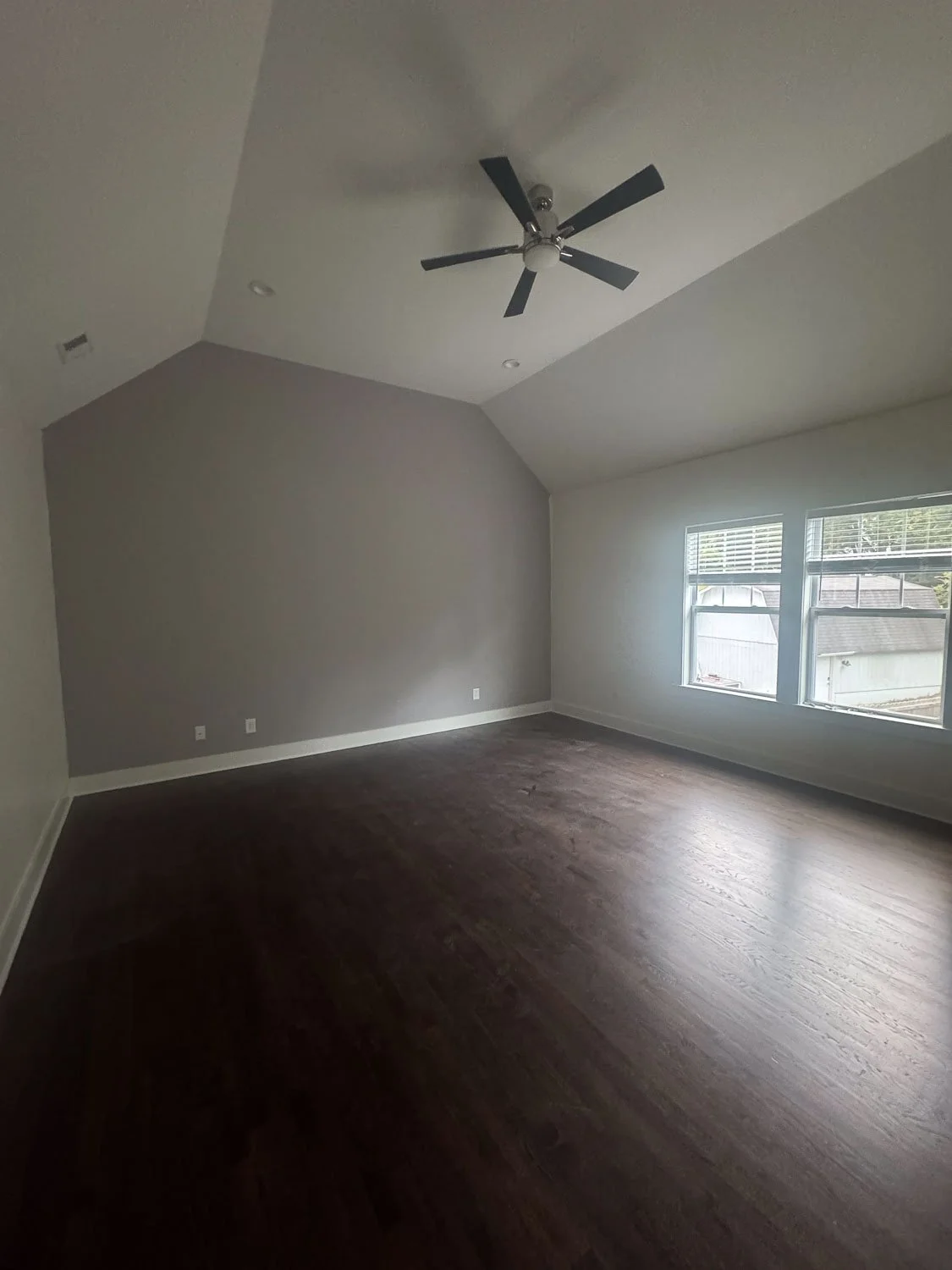
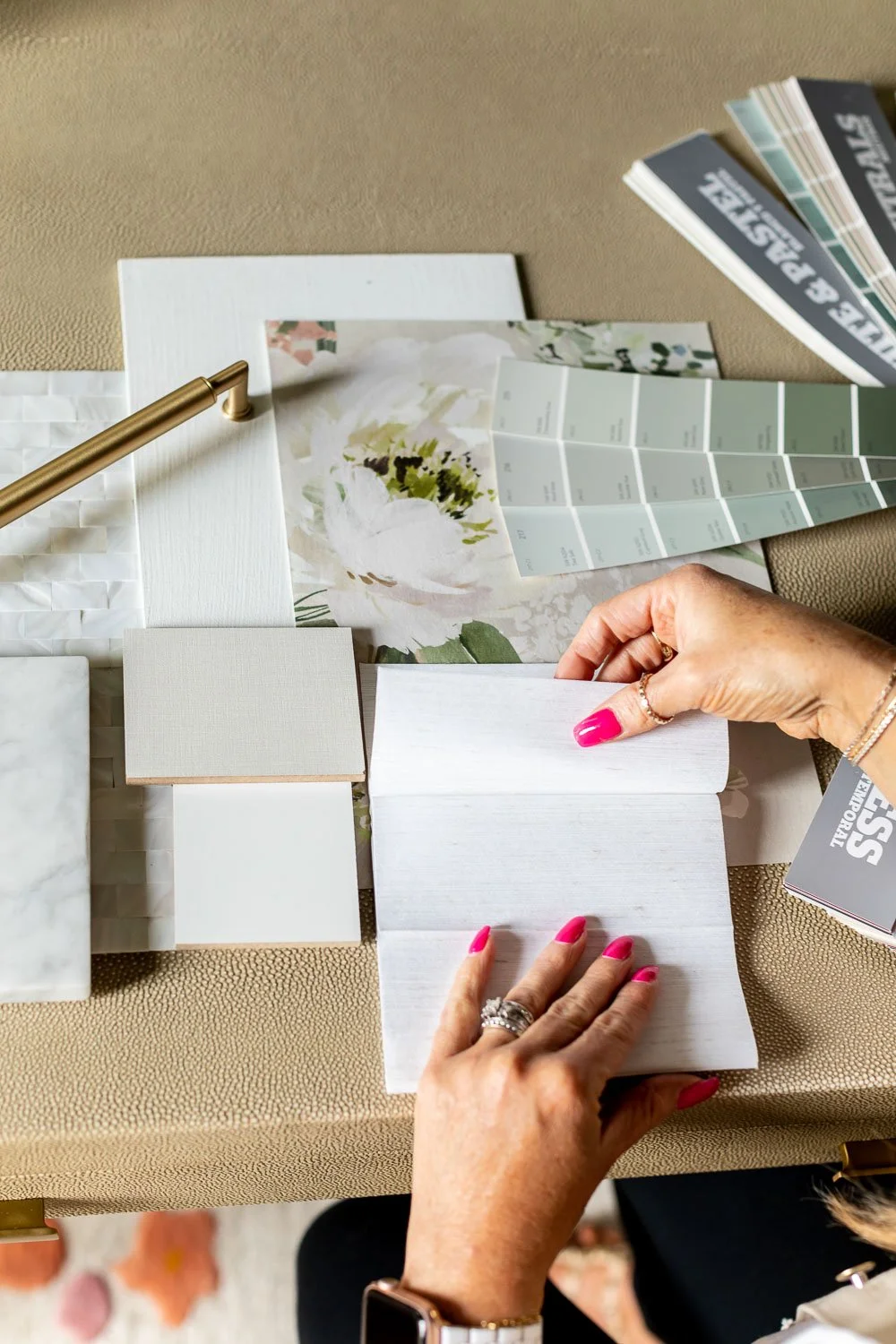
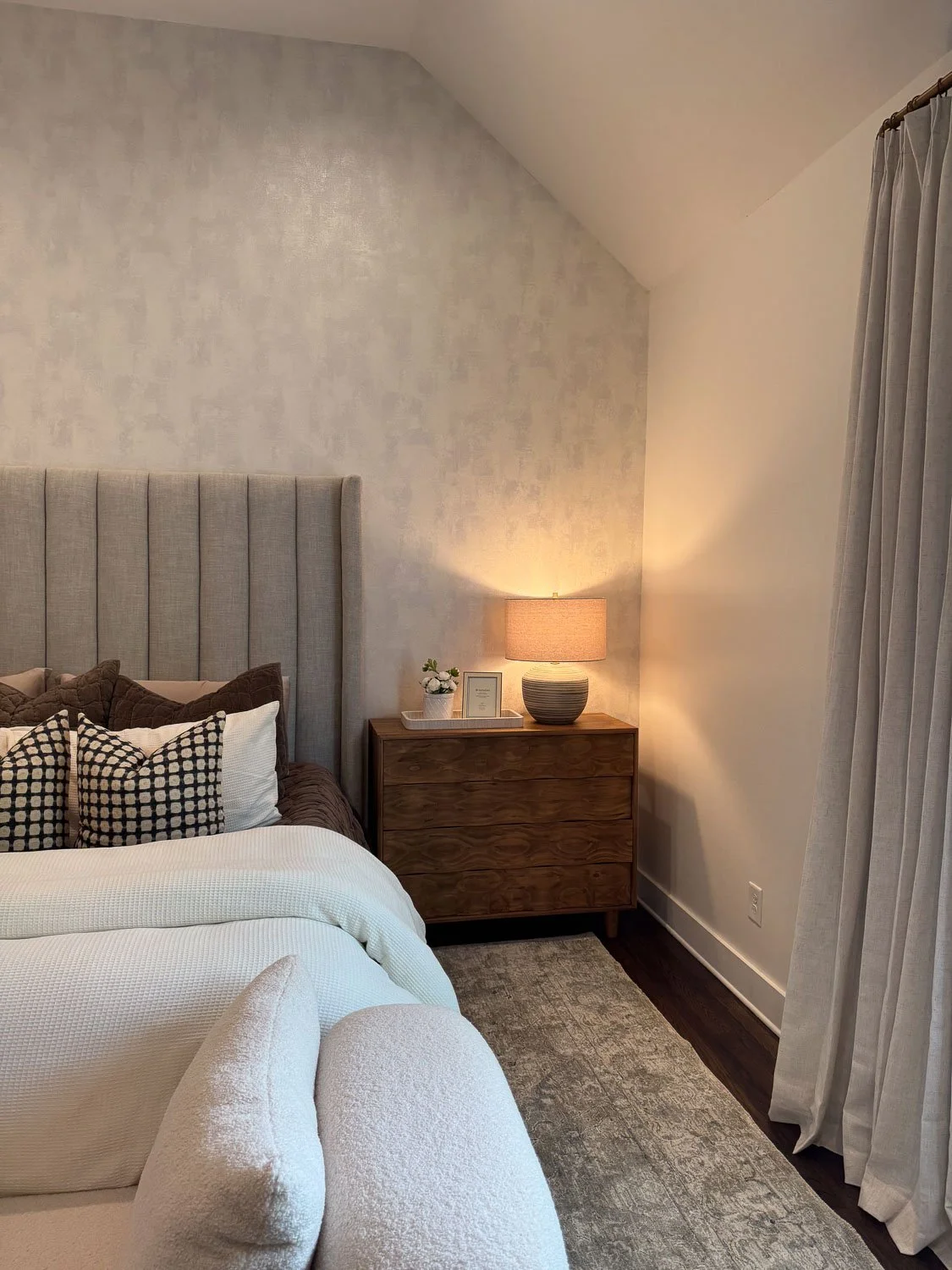
AI tools are often heavily trend-driven. They pull from what’s popular right now, which can be fun, but risky if you’re investing in your home.
Trends vs. Timelessness
We pay attention to interior design trends, but we don’t design only for trends. Instead, we:
Build strong, classic foundations
Layer in thoughtful, personal updates
Design spaces that won’t feel dated in a year
Human intuition helps us know when a trend enhances a space and when it is better left on Pinterest.
Trust Is Built Through Relationships, Not Technology
Clients don’t hire Xela Andrews Interiors because we use the latest tools. They hire us because they trust us with their homes.
What AI Can’t Do
AI can’t:
Walk through your home
Feel the scale of a room
Notice architectural quirks
Sense when something feels off
Our in-person and deeply engaged approach allows us to see what others miss and design accordingly. We guide, reassure, advocate, and problem-solve throughout the entire process. These are things that no AI interior design tool can replicate.
Design Is Emotional and That Matters
Homes hold memories, routines, milestones, and everyday moments. Design is emotional, whether people realize it or not.
AI doesn’t understand:
The importance of a dining table where traditions are built
The comfort of a bedroom that feels calm at the end of long days
The pride of walking into a home that finally feels like you
We design with empathy, care, and heart because your home isn’t just a project. It’s your life.
Why Clients Choose Spaces in Bloom Designs
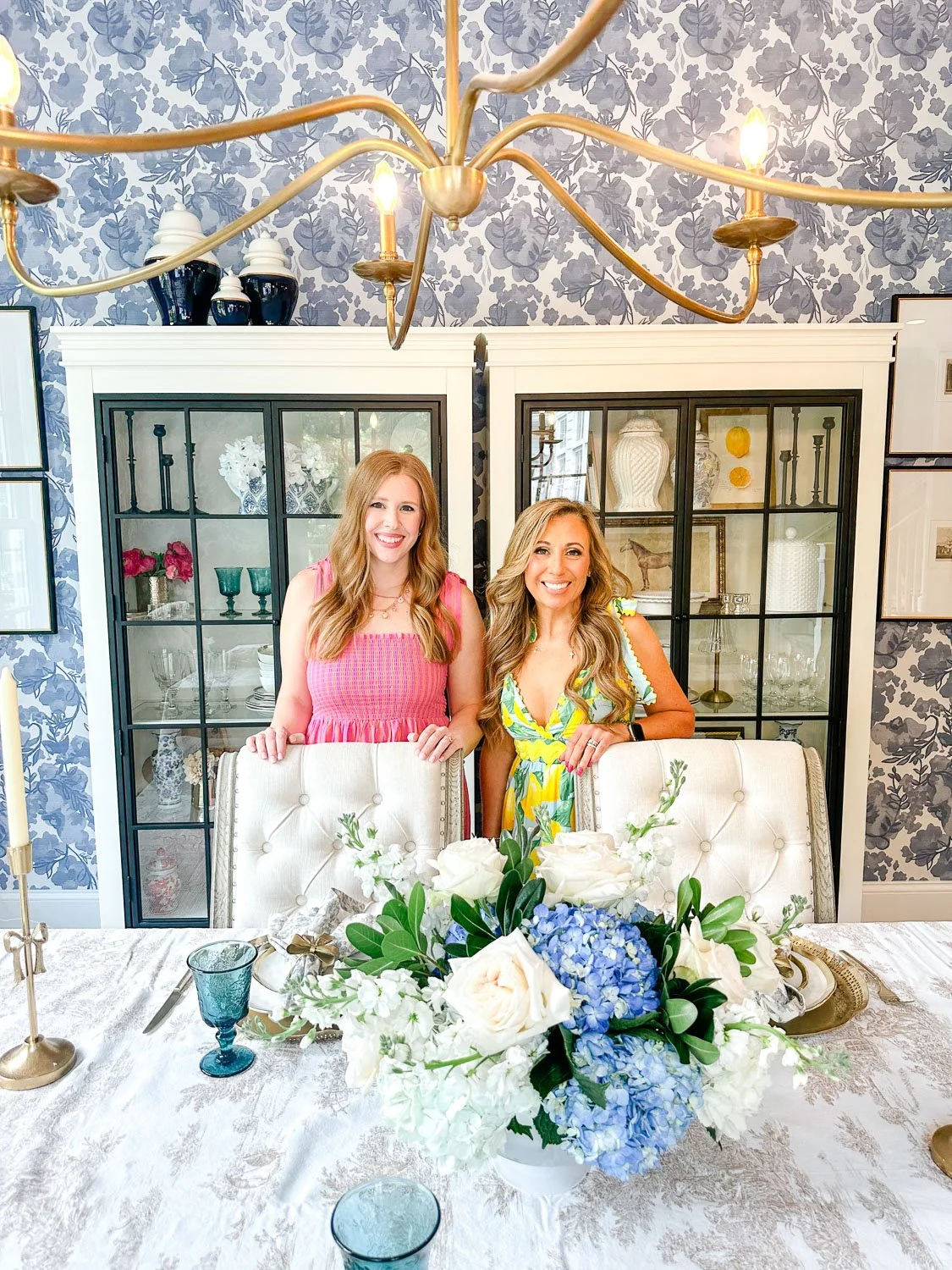
Clients choose us because we put heart and love into every design. We expertly blend:
Modern tools with old-school attention to detail
Thoughtful, layered design rooted in real living
A calm, guided process led by people who genuinely care
Our philosophy is simple. AI can assist the process, but humans create the magic.
Ready to Design a Home That Truly Fits You?
At the end of the day, full-service interior design offers something AI never will. That is lived experience, human intuition, and genuine care. We’re happy to use AI tools thoughtfully, but always in service of creating a home that works beautifully for your real life.
If you’re ready to move beyond generic ideas and invest in a space designed with intention, heart, and expertise, Xela Andrews Interiors would love to help. Reach out today to start your design journey and see what’s possible when technology supports creativity, but doesn’t replace it.
Like this post? Share it to Pinterest!