

Interior Designer vs. Interior Decorator: What’s the Difference?
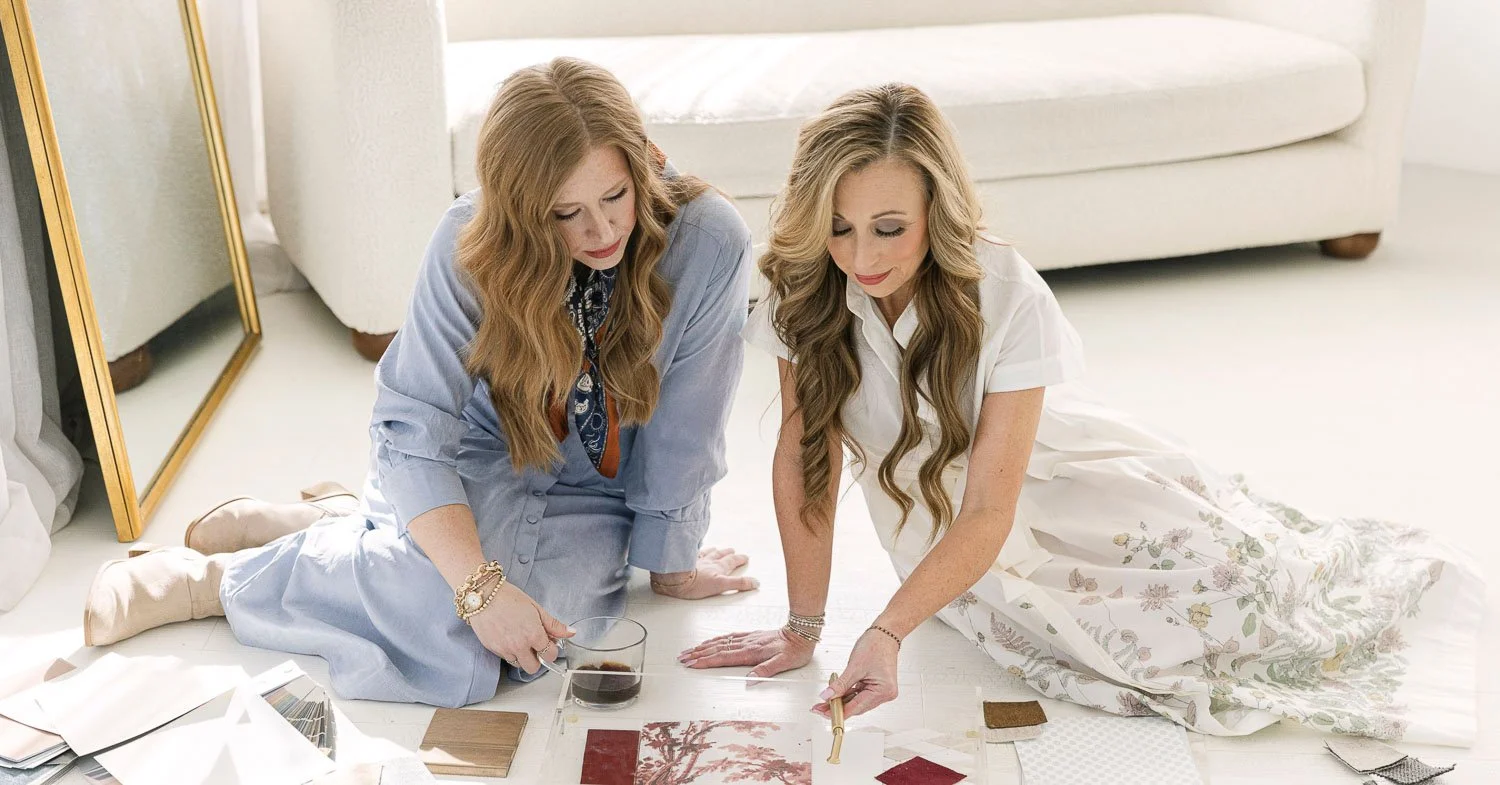
If you’re someone who has ever searched interior designer vs interior decorator, you also have probably wondered whether these two roles are basically the same thing. And while both interior designers and interior decorators can help make your home more beautiful, they don’t always offer the same level of service, training, or project support.
The difference really comes down to scope. An interior decorator typically focuses on the visual finishing touches of a space, while an interior designer looks at both how a space looks and how it functions. Both can be incredibly valuable. It just depends on what your home needs, how involved your project is, and whether you’re making cosmetic updates or bigger changes to the function, flow, and structure of your space.
At Spaces in Bloom Designs, we believe your home should be beautiful, personal, and practical for the way you actually live. So, let’s break down the difference a bit further in a way that feels simple, helpful, and easy to understand!
What Does an Interior Designer Do?
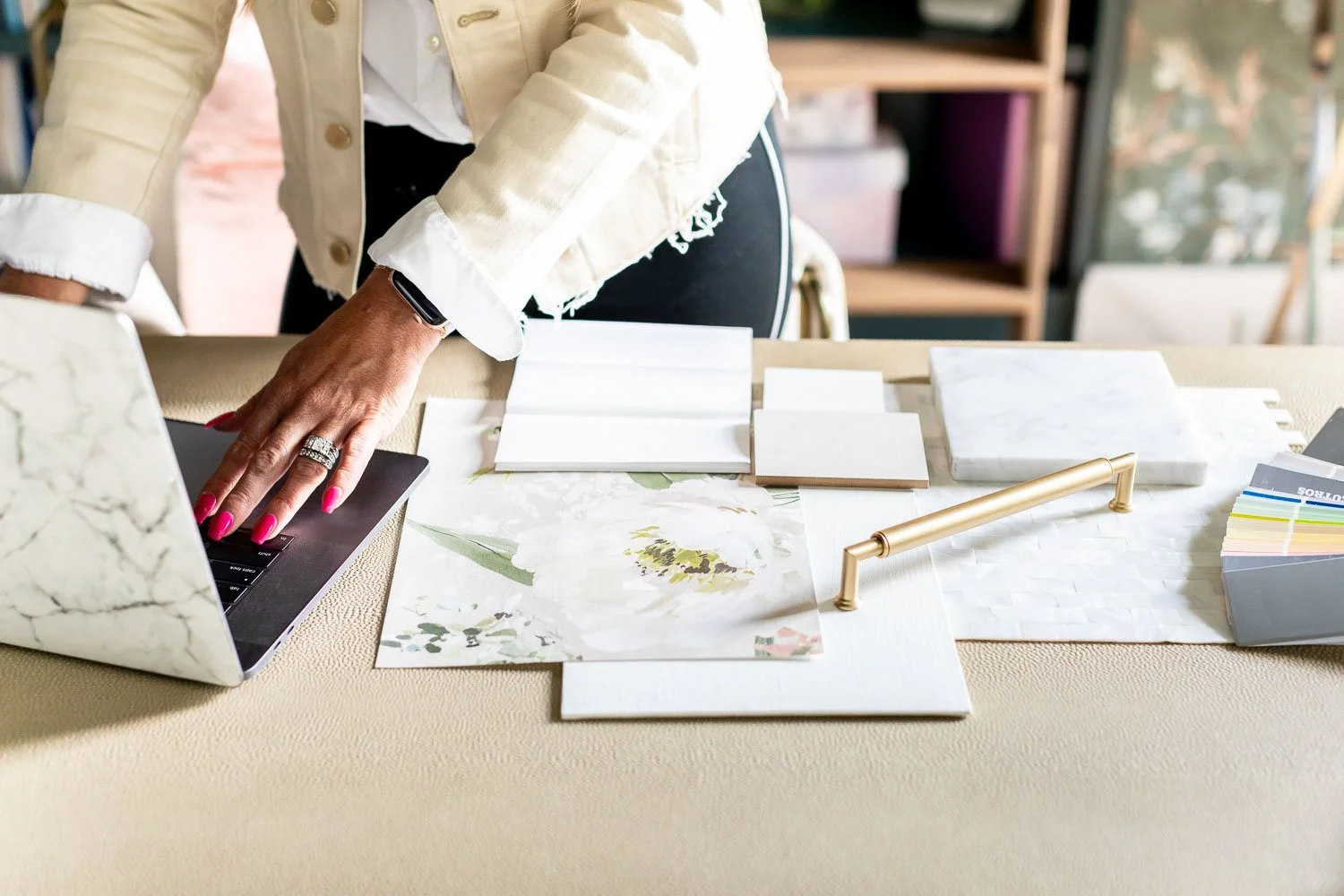
An interior designer looks at the full picture of a home. Yes, the pretty details matter, but the role goes much deeper than choosing furniture, paint colors, or throw pillows.
Interior designers are trained to think about how a space functions, how people move through it, how materials work together, and how design decisions affect the overall home. Education may come through formal degree programs, certification programs, hands-on industry experience, or years of working alongside builders, contractors, and trades.
An interior designer may help with:
Space planning and layout decisions
Kitchen and bathroom design
New construction selections
Full-home renovations
Flooring, tile, lighting, cabinetry, and fixture selections
Floor plans, elevations, and detailed design drawings
Furniture, styling, and final installation
Collaboration with builders, contractors, architects, and vendors
In other words, an interior designer isn’t just thinking about how your home looks in a photo. They’re thinking about how it feels when you walk through the door, how your family uses each room, where storage is needed, how natural light moves through the space, and how every decision supports the final result.
What Does an Interior Decorator Do?
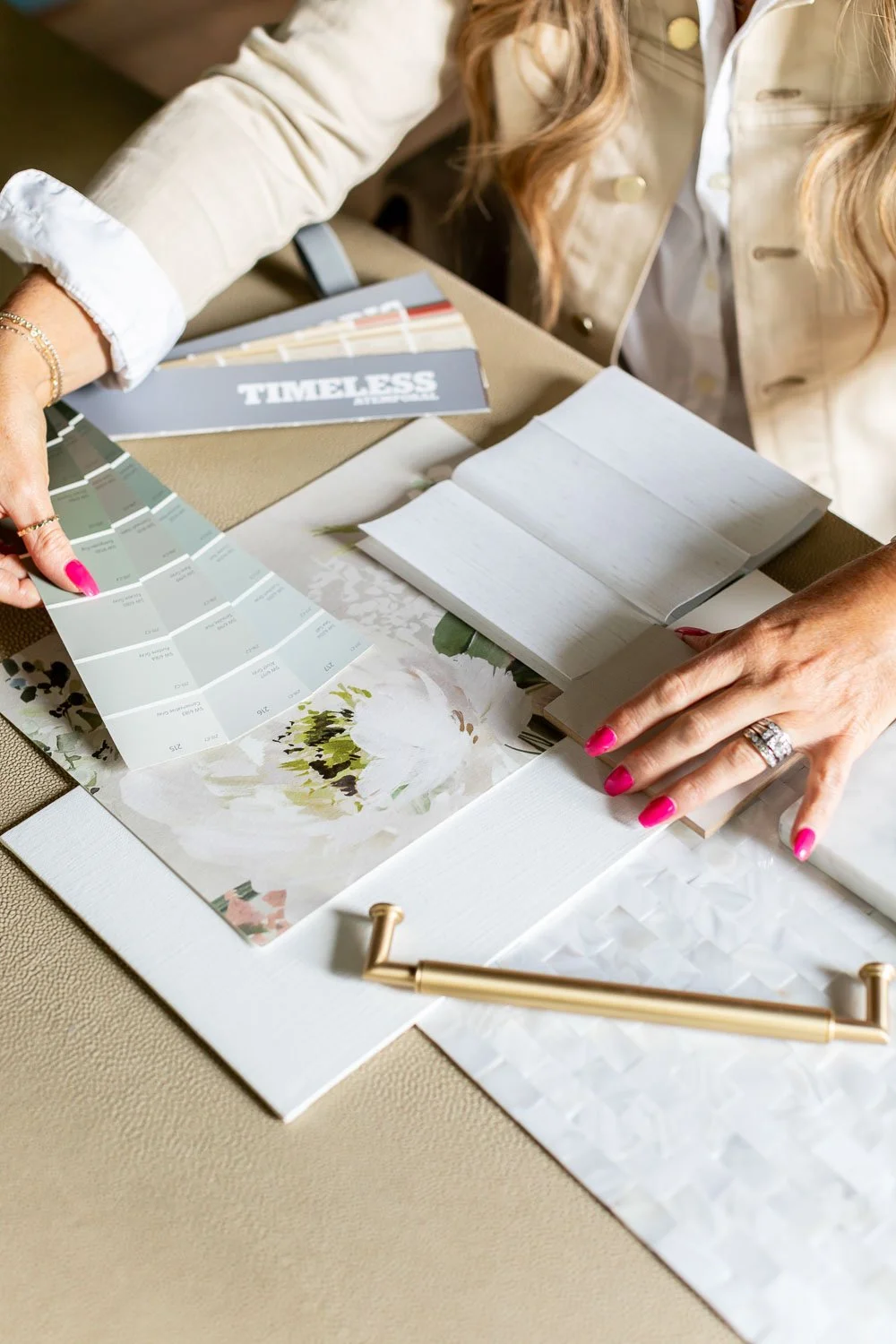
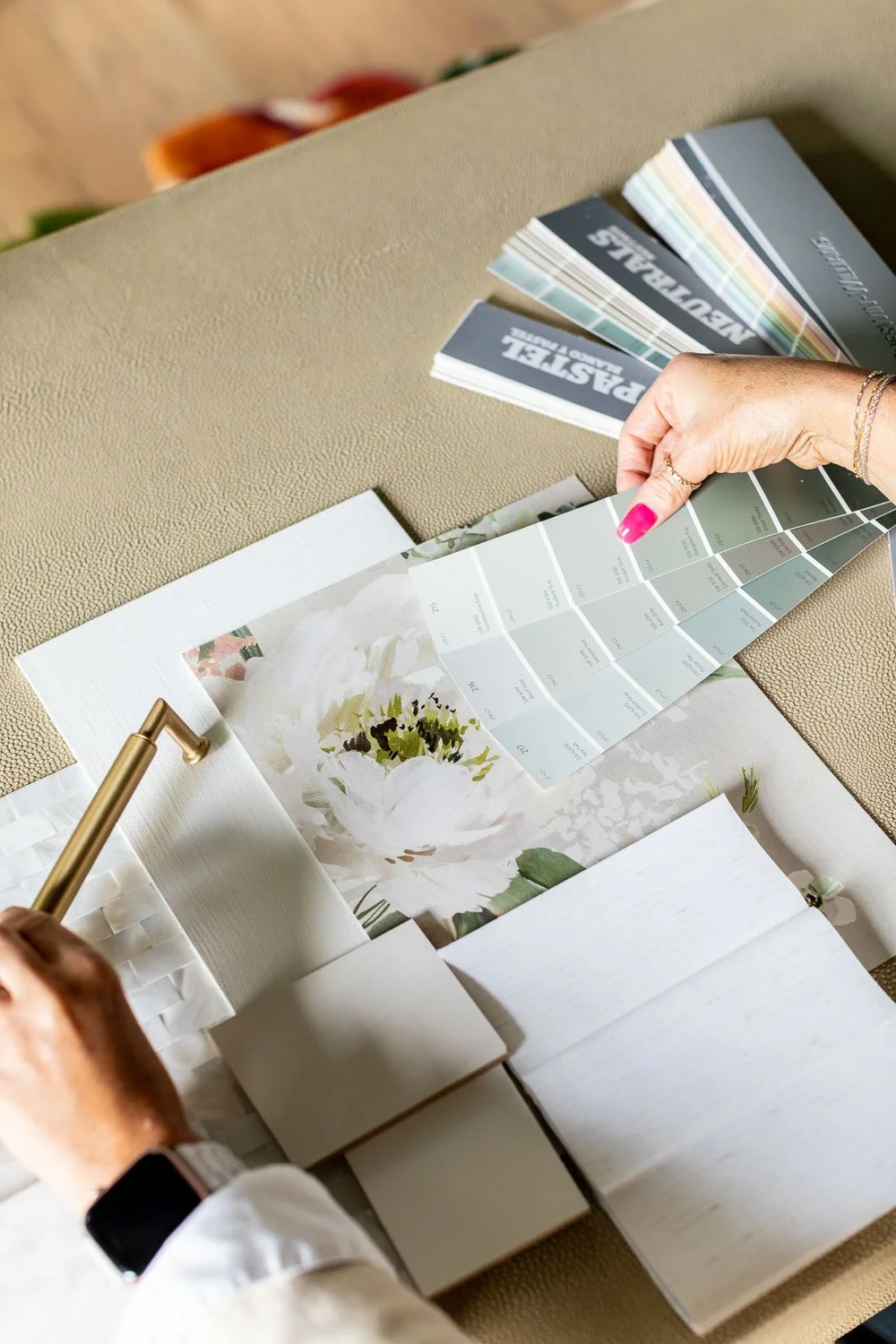
An interior decorator typically focuses on the visual layer of a space. This can include furnishings, accessories, artwork, textiles, color palettes, styling, and seasonal updates.
Unlike interior designers, interior decorators are usually not involved in construction, structural changes, layout reconfigurations, or technical drawings. No formal education is required to become an interior decorator, although many decorators have a beautiful eye for style, color, proportion, and finishing details.
An interior decorator may help with:
Choosing furniture
Selecting paint colors
Styling shelves, coffee tables, and surfaces
Picking rugs, pillows, and window treatments
Choosing artwork and accessories
Refreshing a room with new decor
Making an existing space feel more finished
If your home already functions well, but it feels unfinished, mismatched, or not quite like you, an interior decorator may be exactly what you need!
Interior Designer vs Interior Decorator: The Main Difference

When comparing an interior designer vs an interior decorator, the biggest difference comes down to function and scope.
An interior designer focuses on function and form. They consider how a space works and how it looks.
An interior decorator focuses mostly on form. They consider how a space looks and feels visually.
It’s also helpful to know that an interior designer can often provide the same finishing-touch support an interior decorator offers. Designers can furnish, style, accessorize, and complete a room beautifully. The difference is that interior designers can also support the deeper layers of a project, including layout, function, construction details, materials, and coordination with trades. An interior decorator can be a wonderful fit for styling and visual updates, but they typically cannot take on the technical or construction-related work an interior designer is trained to manage.
When Should You Hire an Interior Designer?
You should hire an interior designer when your project involves bigger decisions, construction, renovation, or a more complete transformation.
An interior designer is a great fit if:
You’re building a new home
You’re renovating a kitchen or bathroom
You want to change the layout of a room
You need help with space planning
You’re selecting flooring, lighting, tile, cabinetry, or fixtures
You want your home to feel cohesive from room to room
You need help communicating design decisions with a builder or contractor
You want support from concept to completion
This is especially helpful because home projects often have a domino effect. Changing a layout may impact lighting. Lighting may impact cabinetry. Cabinetry may impact storage. Flooring may impact transitions between rooms. A designer helps you think through those decisions before they become expensive mistakes.
When Should You Hire an Interior Decorator?
An interior decorator is a great choice when your home is already built, the layout works, and you mainly need help with the finishing touches.
You may want to hire an interior decorator if:
Your room feels unfinished
Your furniture doesn’t feel cohesive
You need help choosing accessories
You want a seasonal refresh
You aren’t making structural changes
You need help with color, styling, or decor
You want your home to feel more polished without a renovation
A decorator can be especially helpful when you have some pieces you love, but you aren’t sure how to pull everything together. They can help make a room feel warmer, more intentional, and more complete.
What Is the Interior Design Process Like?
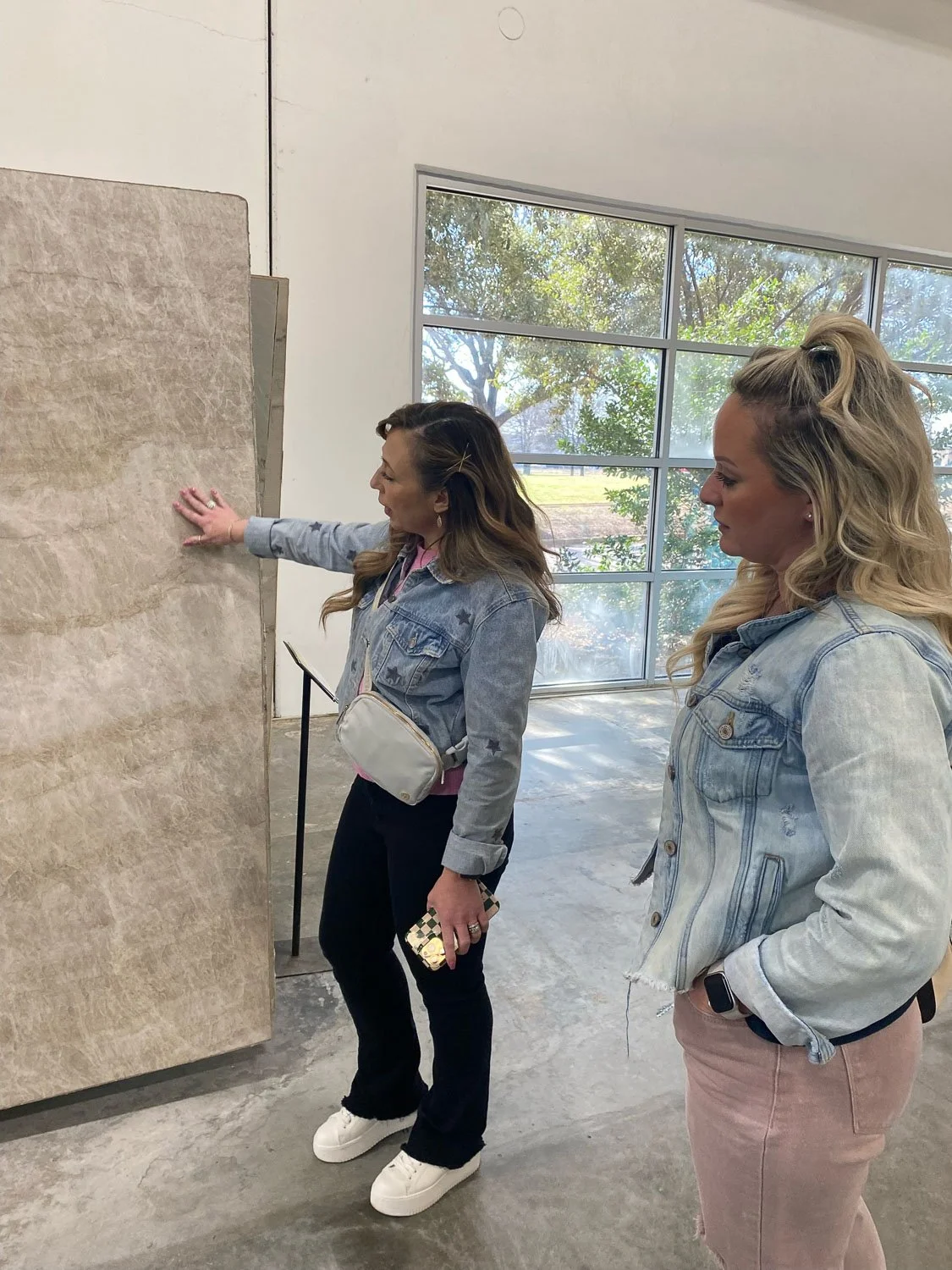
The interior design process is usually more involved than decorating because it often begins earlier and includes more planning, coordination, and decision-making.
Every design studio works a little differently, but a full-service interior design process often includes the following steps.
Discovery and Consultation
This is where we learn about your home, your lifestyle, your style preferences, your pain points, and your goals for the project.
Maybe your kitchen doesn’t function for your family. Maybe your living room has never felt quite right. Maybe your home has beautiful potential, but you need help making the pieces work together. This first step helps create clarity before any design decisions are made.
Concept Development
Next, the designer begins creating the overall direction for the home or space. This may include inspiration images, color direction, material ideas, furniture concepts, and a general design vision.
This step is where your style starts to take shape in a more intentional way.
Space Planning and Selections
This is where the details start coming together! Depending on the project, this may include floor plans, furniture layouts, cabinetry concepts, lighting, tile, flooring, plumbing fixtures, paint colors, fabrics, and finishes.
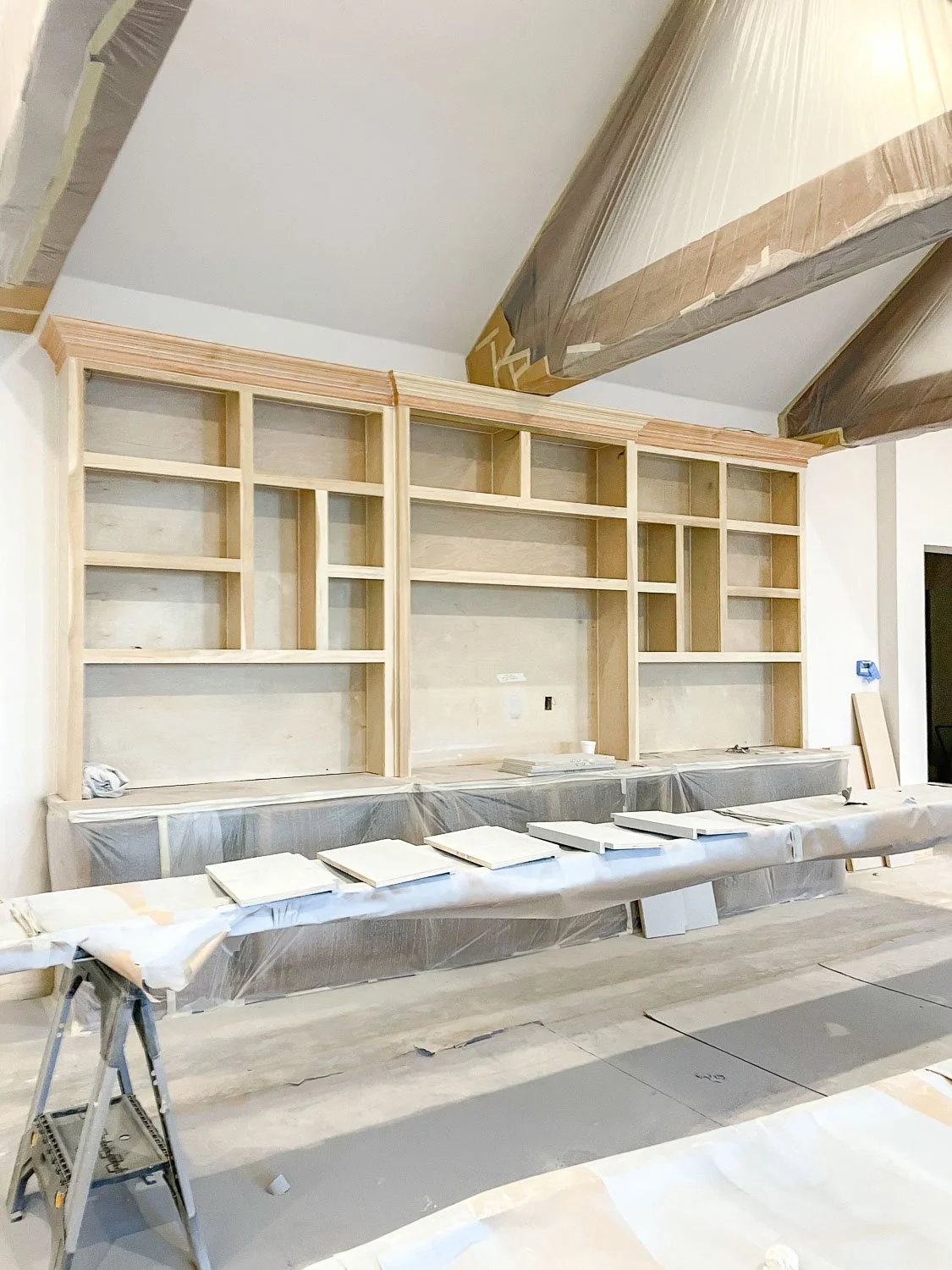
For renovation or new build projects, this stage is especially important because it helps make sure the design is beautiful, functional, and practical before work begins.
Coordination With Trades and Vendors
Interior designers often work with contractors, builders, architects, installers, workrooms, furniture vendors, and other professionals. This helps keep the design vision clear and gives everyone involved a more complete understanding of the final goal.
Installation and Styling
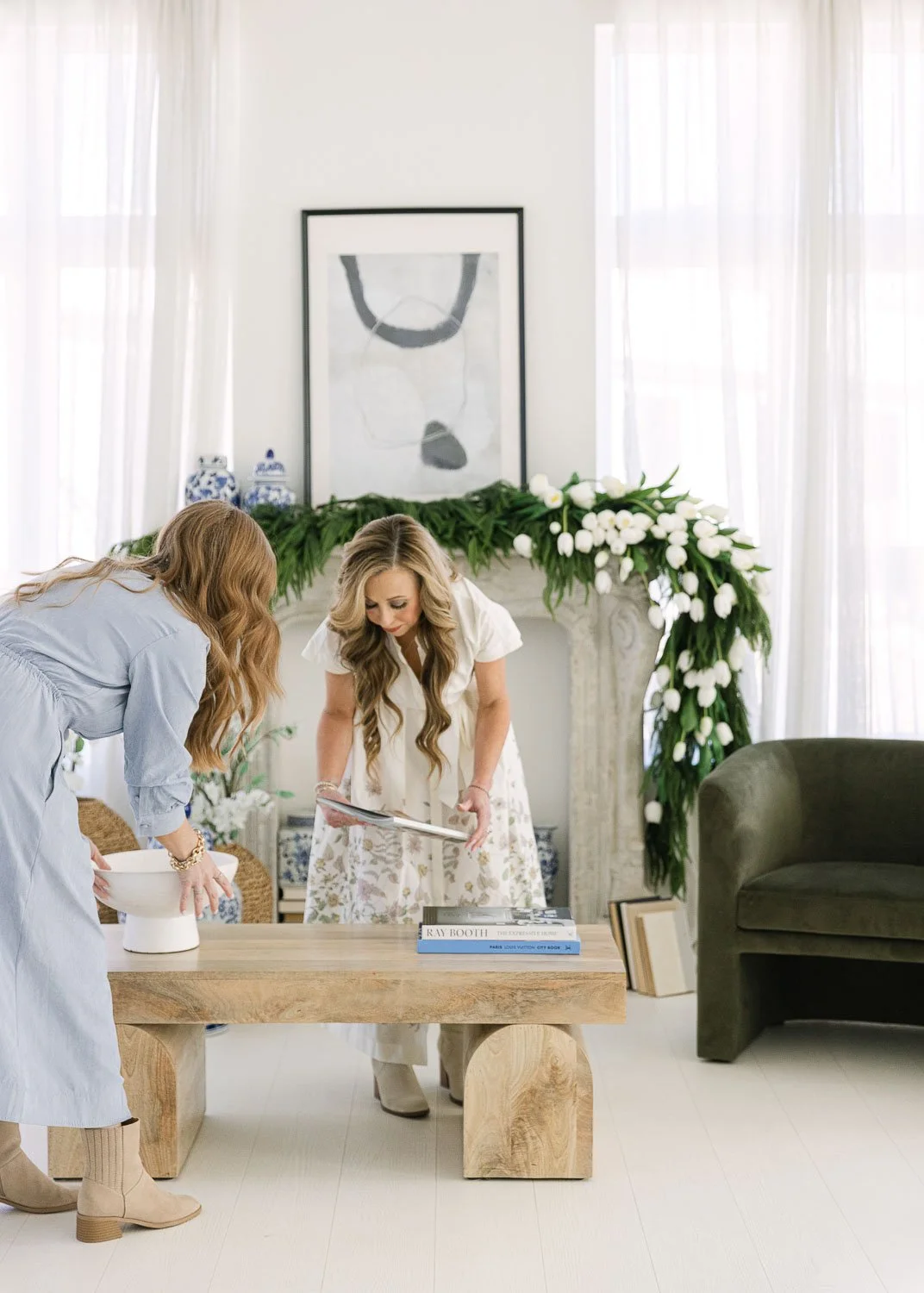
Once the larger pieces are complete, the finishing details bring the home to life! Furniture, rugs, artwork, accessories, window treatments, bedding, and styling all help make the space feel complete and personal.
This is the moment where all the planning, selections, and details finally come together.
How to Work with an Interior Designer

If you are wondering how to work with an interior designer, the best place to start is by getting clear on what kind of support you need.
Before reaching out, it can be helpful to think about:
Which rooms or areas you want to update
What isn’t working in your home right now
What you want your home to feel like
Whether construction or renovation is involved
Your ideal timeline
Your approximate investment comfort level
Any inspiration images or styles you’re drawn to
You don’t need to have all the answers. That’s part of what your designer helps with. But having a general idea of your goals can make the first conversation more productive.
The best designer-client relationships are built on trust, communication, and a shared vision. Your designer should listen well, guide you through decisions, explain the process clearly, and help you feel more confident as the project moves forward.
What Does an Interior Designer Cost?
Interior designer cost can vary quite a bit depending on the size, scope, complexity, and level of service involved.
A one-room furnishing project will usually look very different from a full-home renovation or new construction project. The more involved the project, the more time, planning, technical detail, sourcing, coordination, and project management may be required.
Interior designer cost may depend on:
The number of spaces included
Whether construction is involved
The amount of space planning needed
The level of drawings or documentation required
The quality of furniture, finishes, and materials selected
The number of meetings, revisions, and coordination points
The overall timeline and complexity of the project
How to Find an Interior Designer

If you’re wondering how to find an interior designer, start by looking for someone whose work, process, and personality feel aligned with your home and goals.
Review Their Portfolio
Look at past projects to see if their work feels thoughtful, polished, and cohesive. The style doesn’t need to match yours exactly, but you should be able to see that they can create spaces that feel balanced, functional, and personal.
Look at Their Services
Not every designer offers the same type of support. Some specialize in full-service renovations, while others focus on furnishings, styling, consultations, or new builds. Make sure their services match the type of project you are planning.
Ask About Their Process
A clear process matters. Before hiring a designer, ask how they work, what’s included, how decisions are made, what the timeline may look like, and how communication is handled.
Pay Attention to Fit
Design is personal. You’re inviting someone into your home, your routines, your preferences, and sometimes your budget conversations. It’s important to choose someone who listens, understands your vision, and makes you feel comfortable.
The right designer should make the process feel more organized, not more overwhelming.
Which One Do You Actually Need?

At the end of the day, both interior designers and interior decorators bring value. The right choice depends on what your project needs.
If your home already functions well and you just need help making it feel finished, styled, or refreshed, an interior decorator may be the right fit.
If your project involves construction, layout changes, new build decisions, renovation planning, or a complete transformation, an interior designer is usually the better choice.
A decorator can enhance what’s already there.
A designer can reimagine how your home works and how it looks.
That said, don’t ever be afraid to reach out to an interior designer for a smaller project. At Spaces in Bloom Designs, we love a thoughtful room refresh just as much as a full-home renovation. Whether you need help pulling together furniture, selecting finishes, styling a space, or completely reimagining how your home functions, a designer can help you choose the right level of support for your project.
Create a Home That Works Beautifully for Your Life

When comparing an interior designer vs an interior decorator, the biggest thing to remember is that your project should guide your choice. At Spaces in Bloom Designs, we help clients transform their homes into beautiful, functional, and personalized reflections of their unique style. Whether you are planning a renovation, furnishing a room, or trying to figure out where to begin, our team is here to bring clarity, creativity, and thoughtful design guidance to every step. Reach out today and let us help you create a home that not only looks beautiful but lives beautifully.